Overseeding fills in thin, patchy areas of your lawn by spreading new grass seed over existing turf. The secret to successful overseeding? Timing it right for your grass type and making sure those seeds actually touch soil, not just sit on top of dead grass.
Key Takeaways
- Cool-season grasses: Overseed 45-60 days before first frost (late August to early September in most areas)
- Warm-season grasses: Overseed in late spring when soil temperature reaches 65-70°F consistently
- Use 3-6 pounds of seed per 1,000 square feet for overseeding (half the rate for new lawns)
- Mow 1-2 settings lower than normal and rake to create seed-to-soil contact
- Water lightly 2-3 times daily for 2-3 weeks until germination occurs
When Should You Overseed Your Lawn?
Timing separates successful overseeding from expensive failures. Cool-season grasses like fescue, Kentucky bluegrass, and perennial ryegrass need cool, moist conditions to establish before winter hits. Plan to overseed 45-60 days before your area’s average first frost date.
For most northern states, this means late August to early September. In transition zones (Kentucky, Tennessee, northern Georgia), target the first two weeks of September. Soil temperatures should hover between 50-65°F for optimal cool-season grass germination, anything hotter stresses the seedlings.
Warm-season grasses like Bermuda, Zoysia, and St. Augustine flip the script completely. Overseed these in late spring when soil temperatures consistently hit 65-70°F, typically late April through May in southern regions.

What Equipment Do You Need for Overseeding?
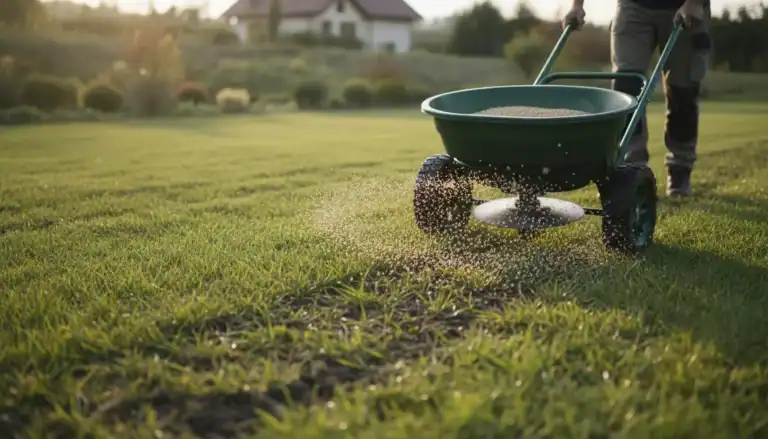
You’ll need basic lawn tools plus something to spread seed evenly. Essential gear includes a mower, rake, and either a broadcast or drop spreader for seed application.
From our testing, broadcast spreaders crush drop spreaders for overseeding because they throw seed in multiple directions, giving you better coverage over bumpy terrain. The Scotts Elite spreader handles seed distribution way more evenly than those flimsy plastic models, worth the extra $30 for consistent results.
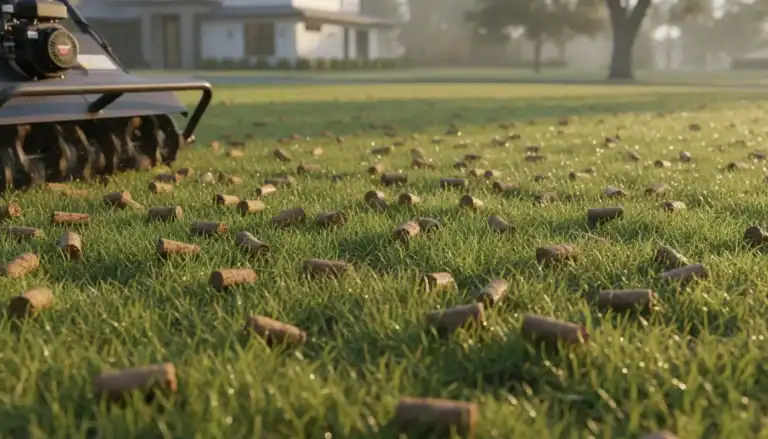
Optional but helpful: a dethatcher or power rake for thick thatch layers, and a lawn roller for pressing seed down. You can rent these from most home improvement stores for $40-60 per day.
How Do You Prepare Your Lawn for Overseeding?
Proper prep creates the seed-to-soil contact that makes germination happen. Start by mowing your existing grass 1-2 settings lower than normal, typically 1.5-2 inches for most cool-season grasses.
Bag those clippings so they don’t smother your new seed. Next, rake the entire lawn hard to remove debris and scratch up the soil surface. You want patches of exposed dirt where seeds can make direct contact.
If your lawn has heavy thatch buildup (more than ½ inch), dethatch first. Thick thatch blocks seeds from reaching soil and creates a barrier to water and nutrients. We’ve found that anything over ½ inch thick needs to go before you overseed.

How Much Seed Should You Apply?
Overseeding needs 3-6 pounds of seed per 1,000 square feet, roughly half what you’d use for a brand new lawn. The exact amount depends on how bad your existing lawn looks and what grass type you’re using.
| Grass Type | Overseeding Rate (per 1,000 sq ft) | New Lawn Rate (per 1,000 sq ft) |
|---|---|---|
| Tall Fescue | 4-6 lbs | 8-10 lbs |
| Kentucky Bluegrass | 2-3 lbs | 4-5 lbs |
| Perennial Ryegrass | 3-5 lbs | 6-8 lbs |
| Fine Fescue | 2-4 lbs | 4-6 lbs |
| Bermuda Grass | 1-2 lbs | 2-3 lbs |
For really thin areas, go with the higher end of the range. Areas with 50% or more existing grass need less seed, stick to the lower numbers.
What’s the Step-by-Step Overseeding Process?
Follow these steps for overseeding that actually works:
- Test soil pH, Most grasses want 6.0-7.0 pH. Add lime if below 6.0, sulfur if above 7.5.
- Mow short, Cut grass 1-2 settings lower than normal, bag clippings.
- Rake hard, Score soil surface to create seed-to-soil contact points.
- Apply starter fertilizer, Use 10-10-10 or similar at 1 pound per 1,000 square feet.
- Spread seed, Apply at recommended rates using crisscross pattern for even coverage.
- Rake lightly again, Gently work seed into soil without burying it deep.
- Water immediately, Apply ¼ inch of water to settle seed.
- Keep it moist, Water lightly 2-3 times daily until germination.
Consistent moisture is everything, the top ¼ inch of soil should stay moist but not waterlogged during the 14-21 day germination window.

How Should You Water After Overseeding?
Watering frequency beats volume every time during germination. New grass seeds need consistent moisture in the top ¼ inch of soil but can’t handle standing water or deep soaking that washes seeds away.
Get a Free Personalised Lawn Plan
Answer 3 quick questions about your lawn and we'll build a custom care plan — tailored to your grass type, climate, and biggest challenges.
Build My Lawn Plan →Water lightly 2-3 times per day for the first 2-3 weeks, just enough to keep the surface moist. Each session should last 5-10 minutes depending on your sprinkler output.
Once grass hits 1 inch tall, switch to normal watering, deeper, less frequent sessions that push root development. This means watering 2-3 times per week with ½ to ¾ inch of water per session.
When Will You See Results?
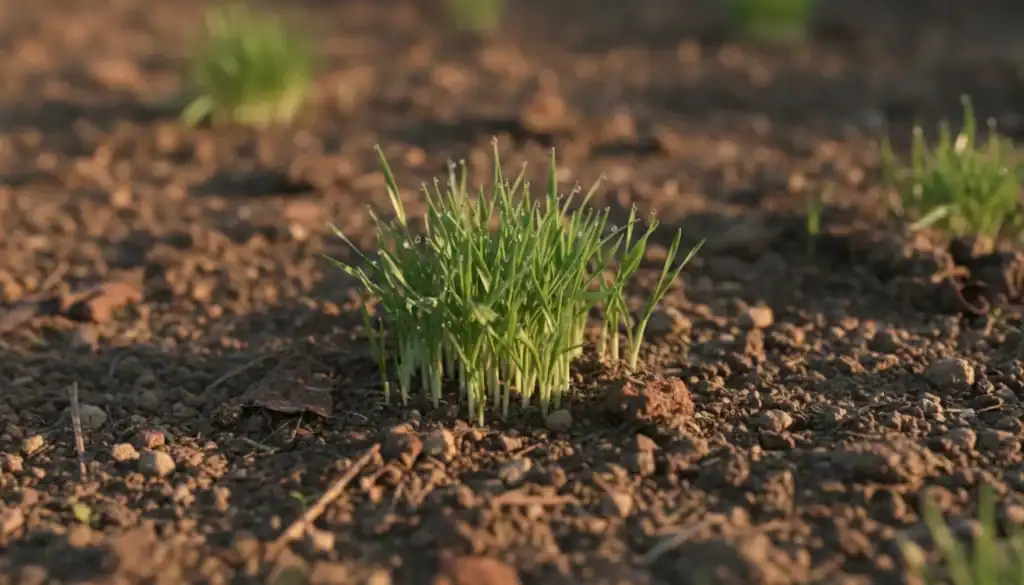
Germination timing varies by grass type and weather conditions. Cool-season grasses typically pop up within 7-21 days when soil temperatures stay between 50-65°F. Perennial ryegrass germinates fastest (7-10 days), while Kentucky bluegrass drags its feet (14-21 days).
You’ll see first green shoots within a week for fast varieties. Full establishment takes 6-8 weeks for most cool-season grasses. During this time, stay off the lawn and wait until new grass reaches 3 inches before mowing.
Warm-season grasses move slower, typically needing 10-21 days when soil temps stay consistently above 65°F. Bermuda grass establishes relatively quickly, while Zoysia can take 21-28 days just to start germinating.

What Mistakes Should You Avoid?
The biggest overseeding killer is inconsistent watering. Seeds that dry out during germination die permanently, you can’t bring them back with more water later. Set multiple daily reminders or use automatic sprinklers with short, frequent cycles.
Another common mistake is dumping too much seed. Excessive seeding creates overcrowded conditions where seedlings fight each other for light, water, and nutrients. Stick to recommended rates, more seed doesn’t equal better results.
Timing errors destroy many overseeding projects. Cool-season grass seeded too late won’t establish before winter. Warm-season grass seeded too early gets hammered by late frosts. Follow the 45-60 day rule for cool-season grasses and wait for consistent 65°F soil temps for warm-season varieties.
Frequently Asked Questions
Can you overseed without raking?
You can, but your germination rates will tank. Seeds need soil contact to germinate properly. Without raking, most seeds sit on top of existing grass and thatch, where they dry out and die. Light raking takes minimal effort but dramatically improves success rates.
Should you fertilize when overseeding?
Yes, apply starter fertilizer when overseeding, but avoid pre-emergent herbicides. Use balanced starter fertilizer like 10-10-10 at 1 pound per 1,000 square feet. The phosphorus helps root development in new seedlings. Pre-emergent herbicides will kill your new grass seed, so skip those until after establishment.
How long after overseeding can you mow?
Wait until new grass reaches 3 inches tall before mowing, typically 3-4 weeks after germination. For the first cut, only remove the top 1/3 of the grass blade to avoid stressing young plants. Make sure your mower blade is sharp to prevent pulling seedlings from loose soil.
Can you walk on grass after overseeding?
Stay off the lawn for 4-6 weeks after overseeding to avoid disturbing germinating seeds and young seedlings. Light, occasional walking won’t cause major damage, but regular foot traffic can prevent establishment. Use boards for temporary walkways if you must cross seeded areas regularly.
What happens if it rains after overseeding?
Light to moderate rain helps overseeding by providing consistent moisture. Heavy downpours can wash seeds away, especially on slopes or compacted soil. If you expect heavy rain within 24 hours of seeding, delay the project. Light raking after heavy rain can help redistribute any displaced seeds.