Tools & Equipment
Mowers, trimmers, aerators, spreaders and more, honest reviews, buying guides and comparisons to help you pick the right gear for your lawn.
1 guideGrass Type Finder: What Grass Should You Plant?
Free tool: pick your state, sun and priorities and get the grass types most likely to thrive in your yard.



Related topics
Bermuda, Zoysia, Kentucky Bluegrass and more
Mowing, watering, fertilizing advice
Month-by-month lawn care calendars
Diagnose issues and fix them fast
Lawn care by region and climate zone
Step-by-step lawn and garden projects
Not sure which tools your lawn actually needs?
Get a free lawn plan with personalized gear recommendations based on your grass type, yard size and goals. Takes under 2 minutes.
Get My Free Lawn PlanFrequently asked questions
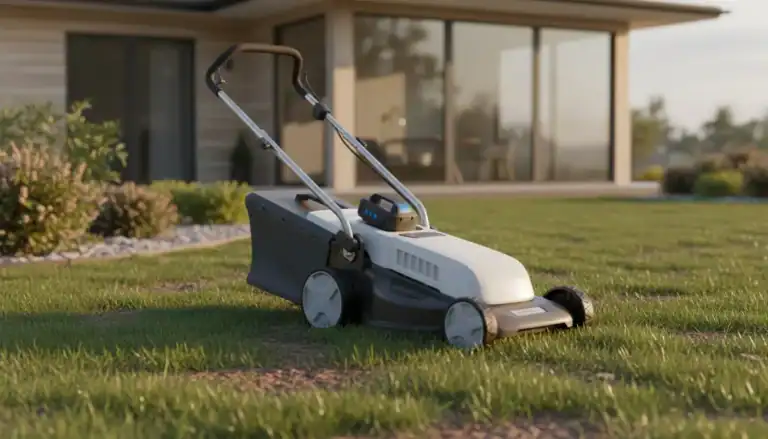
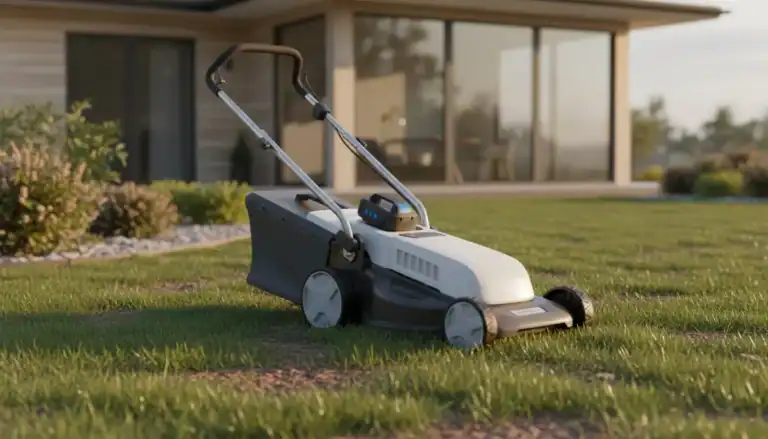
It depends on your lawn size and grass type. For small lawns (under 2,000 sq ft), a battery-powered push mower is ideal, quiet, no fuel, low maintenance. For medium lawns (2,000–6,000 sq ft), a self-propelled gas mower gives more power and runtime. For large lawns (6,000 sq ft+), consider a riding mower or robot mower. If you have St. Augustine grass, make sure the mower has a height adjustment that goes to at least 3.5 inches.
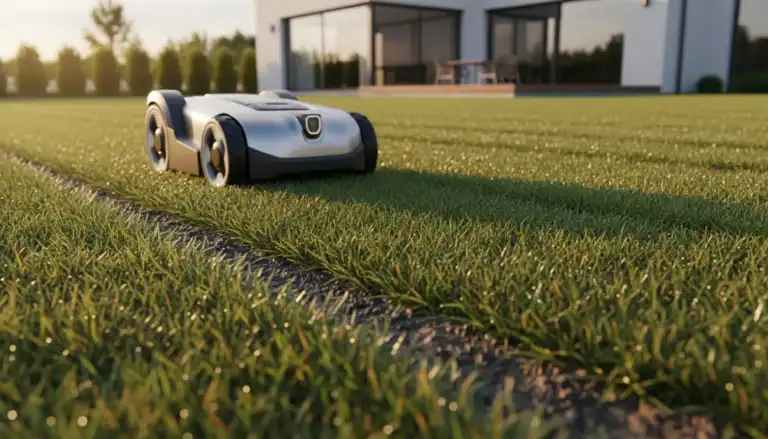
For lawns over 3,000 sq ft, robot mowers can be a great investment, they mow daily (keeping grass at the perfect height), mulch clippings as they go, and free up your weekends. Brands like Husqvarna Automower, Worx Landroid and EcoFlow Blade are popular options. Expect to pay $1,000–$3,500 depending on lawn size. The main drawback: they struggle with very steep slopes and uneven ground.
Battery mowers have improved dramatically. For most suburban lawns (under 4,000 sq ft), a 56V or 80V battery mower does the job, quieter, no fuel, no pull-starting, almost zero maintenance. Gas still wins for large lawns, thick growth, and tall grass where you need sustained power. If you already have batteries from a tool brand (EGO, Makita, Ryobi, Milwaukee), buy into that ecosystem to share batteries.
If your soil is heavy clay (common in the Midwest, parts of the Southeast and Mid-Atlantic), yes, compacted soil prevents water, air and nutrients from reaching the roots. Signs you need aeration: water pools on the surface instead of soaking in, grass looks thin despite feeding, or you can’t push a screwdriver into the soil easily. Aerate once a year in early fall for cool-season lawns or late spring for warm-season lawns. For small lawns, a manual core aerator ($30–$50) works fine. For large areas, rent a powered aerator for a day (~$75–$100 from Home Depot or Lowe’s).