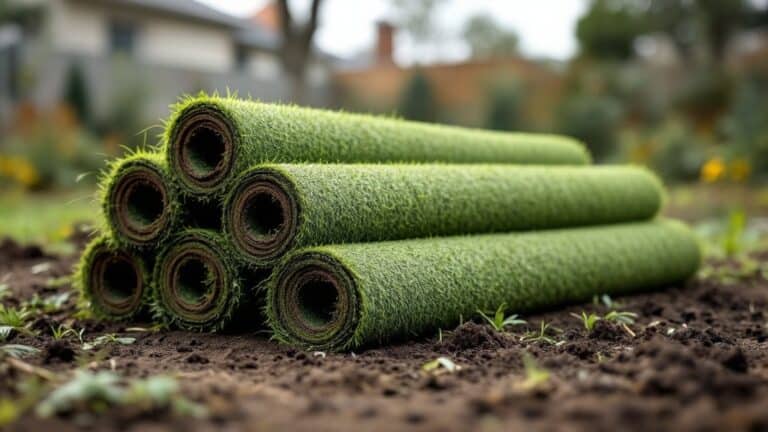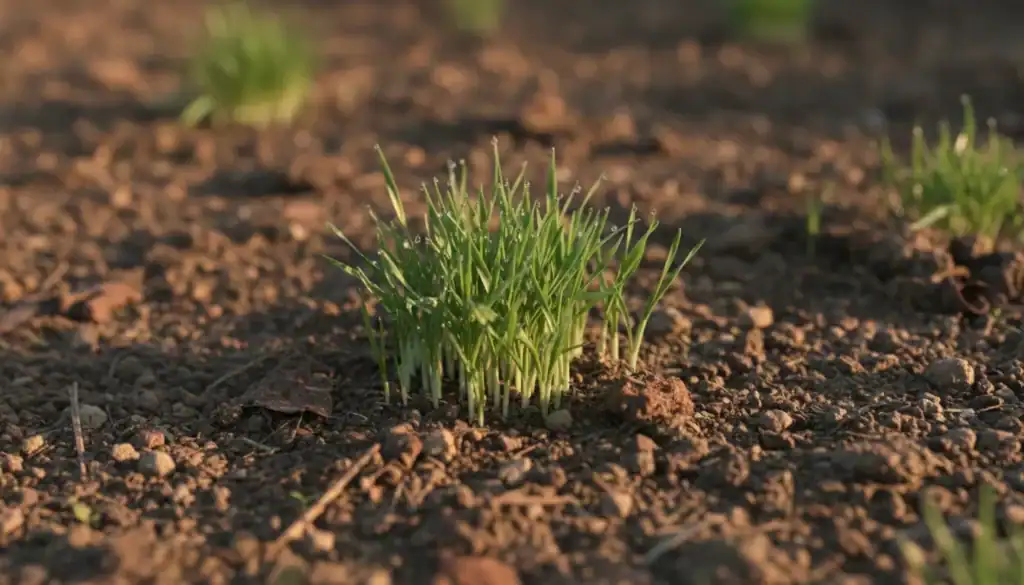
The best grass seed depends on your climate zone, sun exposure, and lawn use, but Scotts Turf Builder Sun & Shade Mix ranks as the top all-purpose choice for most homeowners. For warm climates, Scotts Bermudagrass offers superior drought tolerance, while Jonathan Green Black Beauty Ultra performs best in cool, shaded areas.
Key Takeaways
- Cool-season grasses (fescue, bluegrass, ryegrass) work best in zones 3-6 with fall or spring planting
- Warm-season varieties (Bermuda, Zoysia, St. Augustine) thrive in zones 7-11 with late spring seeding
- Sun & shade blends cost $40-60 per 20 pounds but handle varying light conditions
- Pure cultivar seeds run $80-120 per 20 pounds but offer superior performance in specific conditions
- Expect 7-14 day germination for cool-season grasses, 14-28 days for warm-season varieties
What Makes a Grass Seed “Best” for Your Lawn?
The best grass seed matches your specific growing conditions and maintenance preferences. Simple as that. Your climate zone determines whether you need cool-season or warm-season varieties, while your yard’s sun exposure, soil type, and foot traffic levels narrow down the ideal cultivars.
Premium grass seed blends contain multiple cultivars selected for disease resistance, drought tolerance, and environmental adaptability. Cheaper seeds? They’re often stuffed with high percentages of crop grasses or annual varieties that’ll die after one season.
Quality indicators include germination rates above 85%, weed seed content below 0.5%, and specific cultivar names rather than generic “tall fescue” listings. The seed tag tells the whole story, learn to read it.

Best Cool-Season Grass Seeds (Zones 3-7)
Cool-season grasses grow actively in spring and fall when temperatures stay between 60-75°F. They slow down in summer heat but maintain green color through winter in most regions.
| Product | Best For | Coverage | Price Range | Germination |
|---|---|---|---|---|
| Scotts Sun & Shade Mix | Variable light conditions | 4,000 sq ft/20 lbs | $45-55 | 7-14 days |
| Jonathan Green Black Beauty Ultra | Dense, dark lawns | 4,500 sq ft/25 lbs | $80-100 | 10-14 days |
| Pennington Smart Seed Dense Shade | Heavy shade areas | 3,000 sq ft/20 lbs | $65-75 | 14-21 days |
| GreenView Fairway Formula | Budget-friendly option | 5,000 sq ft/25 lbs | $35-45 | 7-10 days |
Scotts Sun & Shade Mix combines Kentucky bluegrass, perennial ryegrass, and fine fescue for reliable performance across different light conditions. The bluegrass provides self-repair, ryegrass offers quick establishment, and fescue handles drought stress. Smart blend design.
Jonathan Green Black Beauty Ultra contains elite tall fescue cultivars bred for disease resistance and dark green color. This is the premium choice for homeowners wanting a thick, durable lawn that stays green through summer stress. Expensive, but worth it.
Best Warm-Season Grass Seeds (Zones 7-11)
Warm-season grasses thrive in summer heat above 80°F and go dormant (turn brown) when temperatures drop below 50°F consistently. They’re naturally drought-tolerant and handle heavy foot traffic like champs.
| Product | Best For | Coverage | Price Range | Germination |
|---|---|---|---|---|
| Scotts Bermudagrass | Full sun, high traffic | 8,000 sq ft/8 lbs | $55-65 | 14-21 days |
| Pennington Zenith Zoysia | Moderate shade tolerance | 2,000 sq ft/5 lbs | $90-110 | 21-28 days |
| Hancock Centipede | Low maintenance | 3,000 sq ft/5 lbs | $40-50 | 14-21 days |
| Earth Science Bahiagrass | Sandy soils, coastal areas | 5,000 sq ft/10 lbs | $35-45 | 21-28 days |
Scotts Bermudagrass establishes quickly and spreads aggressively to fill bare spots. Needs full sun (6+ hours daily) but tolerates drought, heat, and heavy use better than any other seeded grass type. Just don’t expect it to behave in shade.
Pennington Zenith Zoysia grows slowly but creates an incredibly dense, carpet-like lawn. This is the only warm-season grass that tolerates moderate shade and stays green longer into fall than other warm-season varieties. Patience required.

How to Choose Grass Seed for Specific Conditions
Match your grass seed to your yard’s toughest growing condition first. A lawn that gets morning sun but afternoon shade needs a shade-tolerant variety, even if most areas receive full sun. Plan for your worst-case scenario.
Full Sun Areas (6+ hours daily): Bermudagrass dominates in warm zones, while Kentucky bluegrass or tall fescue work well in cool areas. These grasses actually thrive in intense sunlight and heat stress.
Partial Shade (4-6 hours): Fine fescue blends work in cool zones, while Zoysia or St. Augustine (plugs, not seed) handle warm-zone shade. Perennial ryegrass offers quick establishment in transitional areas.
Dense Shade (less than 4 hours): Honestly, consider alternatives like groundcover or mulch. Most grasses struggle miserably with less than 4 hours of direct sunlight daily. Fine fescue is your best seeded option in cool zones, but don’t expect miracles.
High Traffic Areas: Tall fescue and perennial ryegrass handle foot traffic well in cool zones. Bermudagrass and Zoysia resist wear in warm areas. Sports field mixes contain cultivars bred specifically for punishment.
When to Plant Grass Seed for Best Results
Timing beats seed quality every time. Cool-season grasses need 6-8 weeks of favorable growing weather before extreme temperatures arrive. Warm-season varieties require soil temperatures above 65°F for consistent germination.
Cool-Season Planting Windows:
- Fall: Late August through September (best option by far)
- Spring: Mid-March through early May
- Avoid summer planting in zones 6-7 (recipe for disaster)
Warm-Season Planting Windows:
- Late spring: Mid-April through June
- Early summer: June through July in northern warm zones
- Avoid fall planting (insufficient establishment time)
Fall planting gives cool-season grasses the entire growing season to establish before facing summer stress. Spring plantings work but require constant babying during the first summer.

Grass Seed Quality: What to Look for on the Label
The seed analysis label reveals everything about quality and contents. Higher-priced seeds usually contain superior genetics and fewer weeds, but you need to read the fine print to compare actual value.
Get a Free Personalised Lawn Plan
Answer 3 quick questions about your lawn and we'll build a custom care plan — tailored to your grass type, climate, and biggest challenges.
Build My Lawn Plan →Key Label Information:
- Germination rate: Look for 85% or higher
- Weed seed content: Should be below 0.5%
- Crop seed: Acceptable under 2%, but lower is better
- Inert matter: Chaff and debris, acceptable under 5%
- Test date: Fresher seed (within 12 months) germinates better
Premium seeds list specific cultivar names like “Midnight Kentucky Bluegrass” rather than generic “Kentucky Bluegrass.” These named varieties undergo years of testing and breeding for improved performance characteristics. Generic is usually junk.
Overseeding vs. Starting from Scratch
Overseeding adds new grass to existing lawns, while starting fresh requires complete soil preparation and higher seeding rates. Your current lawn condition determines the best approach.
Overseeding works when:
- Existing grass covers 50% or more of the area
- Soil quality is decent (not compacted or poorly draining)
- You’re adding the same grass type or compatible varieties
- Weeds don’t dominate the existing lawn
Start fresh when:
- Bare spots cover more than 50% of the lawn
- Soil needs serious amendment or grading
- You’re switching grass types completely
- Persistent weed problems require herbicide treatment
Overseeding rates typically run 2-4 pounds per 1,000 square feet, while new lawns need 4-8 pounds depending on the grass type. Bermudagrass requires only 1-2 pounds per 1,000 square feet due to its aggressive spreading nature.

Top Grass Seed Brands: Performance Comparison
Brand reputation matters less than specific product quality, but some companies consistently deliver superior genetics and seed processing. University extension offices often test and recommend specific cultivars rather than brands, smart approach.
| Brand | Strengths | Weaknesses | Best Products |
|---|---|---|---|
| Scotts | Wide availability, consistent quality | Higher prices, limited cultivar selection | Sun & Shade Mix, EZ Seed |
| Jonathan Green | Premium cultivars, regional blends | Limited distribution, expensive | Black Beauty Ultra, Dense Shade Mix |
| Pennington | Good value, Smart Seed technology | Variable quality across product lines | Smart Seed blends, Zenith Zoysia |
| GreenView | Budget-friendly, regional focus | Basic cultivars, limited research | Fairway Formula, No Mow Mix |
From our testing, Jonathan Green consistently delivers the darkest, densest lawns but costs 40-60% more than mainstream brands. Scotts offers the best balance of quality and availability for most homeowners.
Regional seed companies often provide better climate-specific blends than national brands. We’ve found that checking with your county extension office for locally recommended sources and cultivars saves a lot of trial and error.
Frequently Asked Questions
How much grass seed do I need for my lawn?
For new lawns, plan on 4-6 pounds per 1,000 square feet for most cool-season grasses, or 1-2 pounds for Bermudagrass. Overseeding requires about half those rates. Always buy 10-15% extra seed to account for uneven application and touch-ups later.
Can I mix different types of grass seed together?
Yes, but only mix grasses with similar growth habits and climate requirements. Cool-season blends work well together, as do warm-season varieties. Never mix cool and warm-season grasses, they have opposite growing seasons and one will dominate or crowd out the other.
Why is some grass seed so much more expensive?
Premium seeds contain elite cultivars that undergo 8-12 years of breeding and testing for disease resistance, color, and density. They also have higher purity, better germination rates, and lower weed content. Cheap seeds often include crop grasses and annual varieties that won’t survive long-term.
How long does grass seed stay viable?
Properly stored grass seed maintains 80% or higher germination for 2-3 years when kept cool and dry. Check the test date on the label, seed older than 12 months may have reduced germination rates. Store opened bags in a sealed container in a cool, dry location.
Should I buy coated or uncoated grass seed?
Coated seeds with fertilizer and mulch help with establishment but cost 30-50% more than uncoated seed. They work well for spot repairs and overseeding, but you can achieve similar results by applying starter fertilizer and mulch separately at lower cost for large areas.