Lawn Problems
Weeds, pests, diseases, bare patches and brown spots, identify what’s wrong with your lawn and fix it fast with our troubleshooting guides.
1 guide
How to Grow Grass in Shade
Growing grass in shade isn't impossible, you just need to pick the right varieties and change how you care for them. Fine fescue, tall fescue, and perennial ryegrass are your best bets for cool-season areas, surviving on as little as 3-4 hours of direct sun. Down south, St. Augustine and Zoysia gra

Related topics
Bermuda, Zoysia, Kentucky Bluegrass and more
Mowing, watering, fertilizing advice
Month-by-month lawn care calendars
Lawn care by region and climate zone
Mower reviews, tool guides, gear tips
Step-by-step lawn and garden projects
Can’t figure out what’s wrong with your lawn?
Get a personalized diagnosis and treatment plan based on your grass type, symptoms and climate. Free in under 2 minutes.
Get My Free Lawn PlanFrequently asked questions
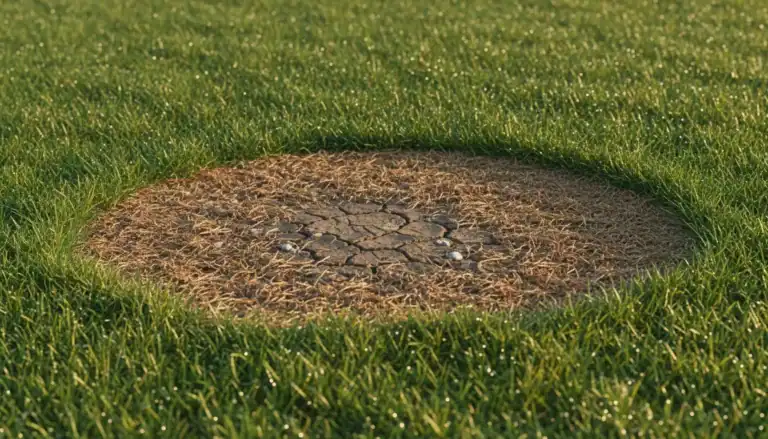
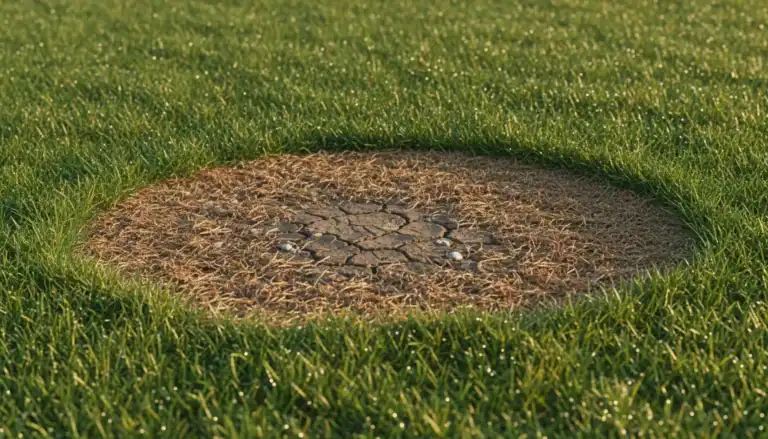
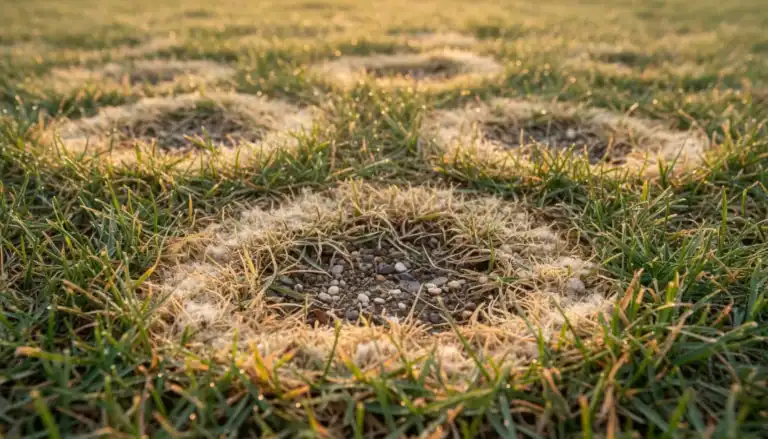
Brown patches can be caused by lawn grubs (check by pulling the grass, if it lifts like carpet, grubs have eaten the roots), fungal disease (look for irregular shapes with darker edges), dog urine (circular spots with green rings), drought stress (entire areas, not random patches), or scalping from mowing too low. The pattern and shape of the brown area is the best clue.
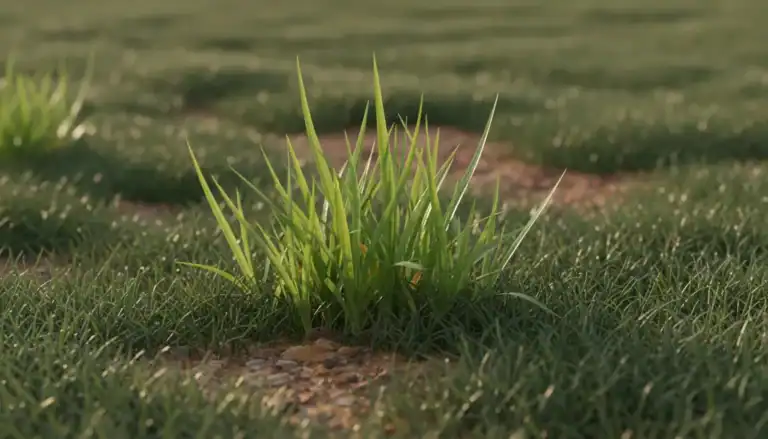
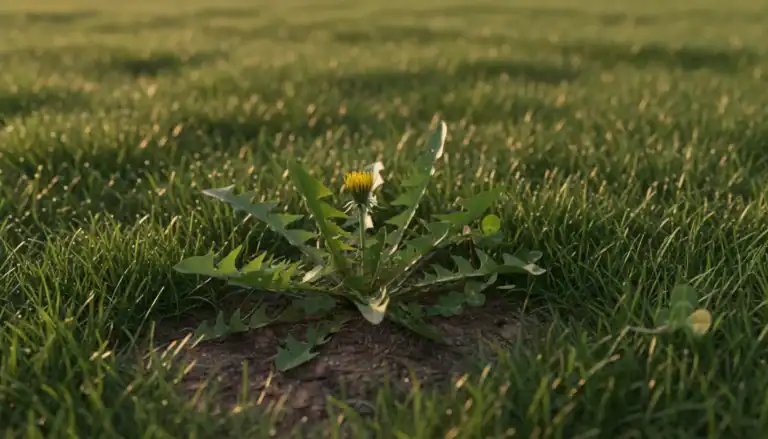
Use a selective herbicide that targets the weed type without harming your grass. For broadleaf weeds (dandelion, clover, plantain) in most lawns, a 2,4-D based product works well. For St. Augustine, avoid products containing atrazine at high rates and never use non-selective herbicides like glyphosate on the lawn. For Bermuda and Zoysia, most broadleaf herbicides are safe. Always read the label for your specific grass type and apply when weeds are actively growing but temperatures are below 85°F.
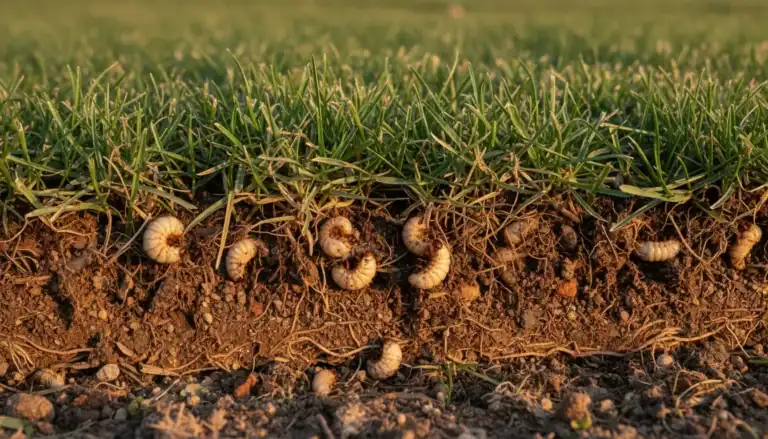
Lawn grubs are the larvae of beetles (like Japanese beetles and June bugs) that live in the soil and eat grass roots, while armyworms and sod webworms feed on grass blades. Signs include: brown patches that spread quickly, grass that pulls up easily with no roots, increased bird activity on your lawn (they’re hunting the grubs), and moths flying up when you walk across the lawn at dusk. The “soapy water test” works well, pour a bucket of soapy water on the lawn and count the grubs that surface within 10 minutes.
Yes, the method depends on your grass type. For spreading grasses like Bermuda, St. Augustine and Zoysia, you can transplant plugs from a healthy area, lay small sod patches, or simply encourage the surrounding grass to fill in by watering and fertilizing (these grasses spread via runners and stolons). For bunch-type grasses like Tall Fescue and Perennial Ryegrass, overseeding is the best approach. Best time to repair is early spring or fall when conditions favor new growth.