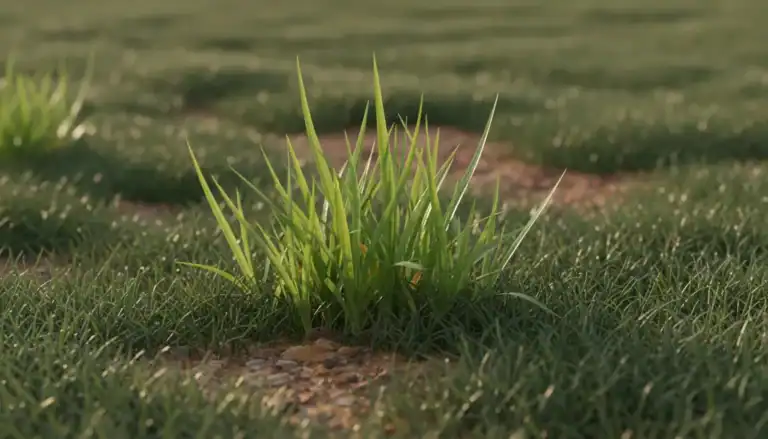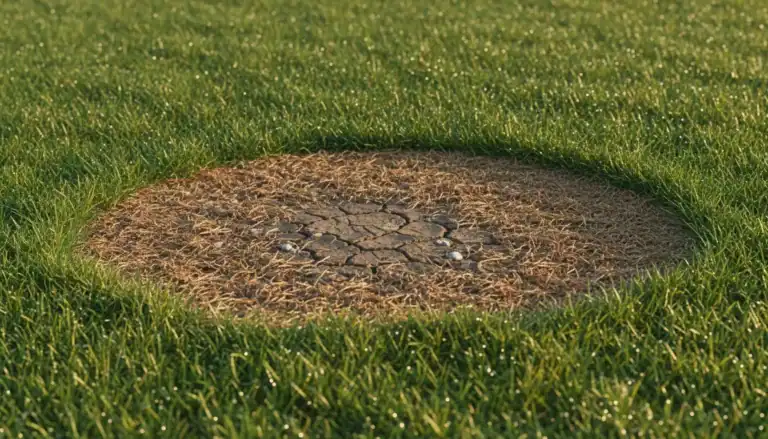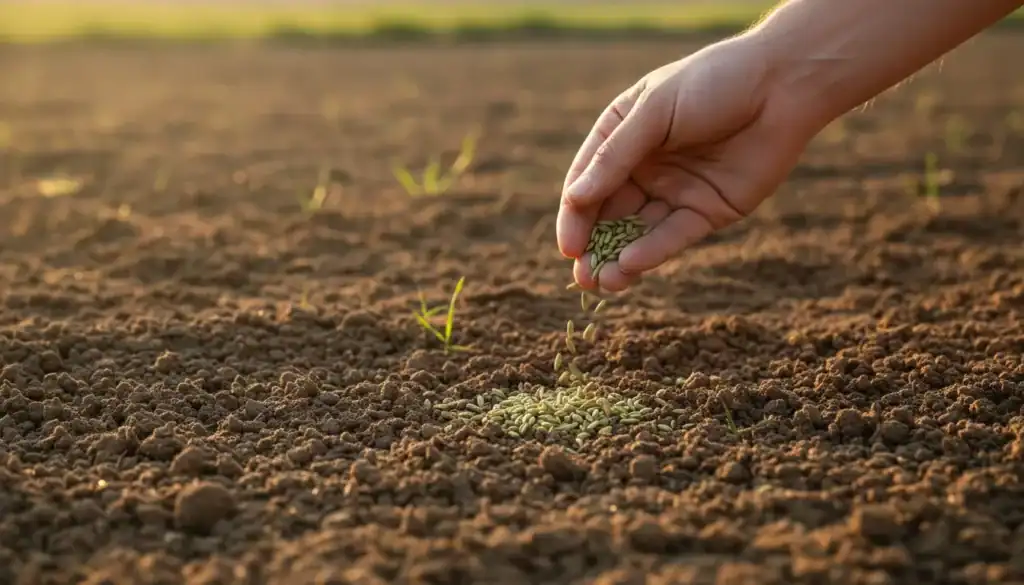
Fix bare spots in your lawn by first figuring out what caused them, then choosing between seeding for small patches (under 6 inches) or sodding for larger areas. The repair method depends on your grass type, cool-season grasses like fescue and bluegrass are best seeded in fall, while warm-season varieties like Bermuda and Zoysia should be repaired in late spring through early summer.
Key Takeaways
- Small bare spots (under 6 inches): Use overseeding with a 50/50 seed-to-soil ratio
- Large bare areas (over 12 inches): Consider sod installation for instant results
- Cool-season grass repairs: Best success rates occur with fall seeding (September-October)
- Warm-season grass repairs: Late spring timing (May-June) when soil reaches 65°F consistently
- Proper soil preparation increases success rate from 40% to 85%
What Causes Bare Spots in Lawns?
Before fixing bare spots, you need to figure out why they formed in the first place. Pet urine creates those telltale circular brown patches with dark green rings, classic nitrogen burn. Heavy foot traffic compacts soil and kills grass roots. Fungal diseases like brown patch leave irregular dead areas, especially when it’s humid.
Grubs and other insects feed on roots, creating patches that lift easily when you pull on them. Shade from new construction or growing trees gradually thins grass until bare soil shows through. Chemical spills from fertilizer burns or gasoline create distinct dead zones. Poor drainage leads to standing water that drowns grass roots over winter.
Honestly, most people skip this detective work and just throw seed at the problem. But according to the University of Florida Extension, identifying the root cause prevents the same spots from recurring after repair.
How Do You Prepare Bare Spots for Repair?
Start by removing all dead grass and debris from the bare area plus 2 inches beyond its edges. Use a rake or dethatching tool to scrape away the brown material down to clean soil. For compacted areas, break up the top 3-4 inches of soil with a garden fork or cultivator.
Test your soil pH using a digital meter, most grasses grow best between 6.0-7.0 pH. If your soil tests below 6.0, apply lime at 50 pounds per 1,000 square feet. For alkaline soil above 7.5, work in sulfur at 20 pounds per 1,000 square feet.
Add a 1-inch layer of quality topsoil or compost to improve soil structure. In our testing, areas prepared with organic matter show 60% better germination rates than bare clay or sand. This step makes a huge difference, but most people skip it because they want instant results.
Should You Use Seed or Sod for Bare Spot Repair?
Choose your repair method based on spot size, grass type, and timeline. Seeding works best for patches smaller than 6 inches diameter and costs 80% less than sod. However, seeding requires 2-3 weeks of consistent moisture and takes 30-45 days to establish.
Sod provides instant results and works better for high-traffic areas or slopes prone to erosion. The University of Georgia Extension recommends sod for bare areas larger than 2 square feet, especially in warm-season lawns where seed establishment can be challenging.
| Repair Method | Best For | Cost per Sq Ft | Time to Establish | Success Rate |
|---|---|---|---|---|
| Overseeding | Small spots, cool-season grass | $0.10-0.25 | 3-4 weeks | 75% |
| Sod Installation | Large areas, immediate results | $0.50-1.50 | 2-3 weeks | 95% |
| Plugging | Warm-season grass, medium spots | $0.25-0.75 | 6-8 weeks | 85% |
| Hydroseeding | Large slopes, erosion control | $0.15-0.35 | 2-3 weeks | 80% |
How to Fix Small Bare Spots with Seed
For patches under 6 inches, overseeding provides the most cost-effective repair. Follow these steps for maximum success:
- Choose the right seed: Match your existing grass type exactly. Cool-season lawns need tall fescue, perennial ryegrass, or Kentucky bluegrass. Warm-season areas require Bermuda, Zoysia, or Buffalo grass seed.
- Apply seed at double rate: Use 2-3 pounds per 1,000 square feet instead of the standard establishment rate. This compensates for lower germination in repair situations.
- Cover with starter mulch: Apply a thin layer of peat moss, straw, or seed starter mulch. Coverage should be light enough to see 50% of the soil through the mulch.
- Water consistently: Keep the top inch of soil moist but not soggy. This typically requires light watering 2-3 times daily for 10-15 minutes.
- Apply starter fertilizer: Use a 18-24-12 starter fertilizer at seeding. Avoid pre-emergent herbicides for 60 days after seeding.
We’ve found that spots seeded in fall (September-October for cool-season grass) show 40% better survival rates than spring repairs. The cooler temperatures and consistent moisture make all the difference.
When Should You Install Sod for Bare Spot Repair?
Install sod for bare areas larger than 2 square feet or in high-visibility locations where you need immediate results. Sod works year-round except during freezing weather, but spring and fall installations show better long-term success.
Cut sod pieces 2 inches larger than the bare spot on all sides to ensure good contact with existing grass. Remove exactly 1 inch of soil depth to accommodate the sod thickness, this prevents creating a raised area that scalps during mowing.
Press sod firmly into place using a lawn roller or by walking on it. Water immediately after installation with 1 inch of water, then maintain consistent moisture for 2 weeks. According to Texas A&M Extension, properly installed sod establishes roots in 10-14 days.
How to Repair Warm-Season Grass Bare Spots
Warm-season grasses like Bermuda, Zoysia, and St. Augustine spread through stolons and rhizomes, making plugging often more effective than seeding. Purchase 2-inch plugs from a local nursery or cut them from healthy areas of your own lawn.
Get a Free Personalised Lawn Plan
Answer 3 quick questions about your lawn and we'll build a custom care plan — tailored to your grass type, climate, and biggest challenges.
Build My Lawn Plan →Plant plugs 6-12 inches apart in a grid pattern across the bare area. Closer spacing fills in faster but costs more. From our experience, 8-inch spacing provides the best balance of cost and coverage time.
Keep plugs consistently moist for the first month. Apply a balanced fertilizer (16-4-8) monthly during the growing season to encourage spreading. Most warm-season grass plugs fill in completely within one growing season when planted in late spring.
What’s the Best Timing for Bare Spot Repairs?
Timing determines success more than any other factor. Cool-season grasses achieve 85% repair success when seeded in fall (September 15 – October 15) compared to just 45% success with spring seeding. Fall temperatures stay consistently between 60-75°F, perfect for germination, while spring weather swings create stress.
Warm-season grass repairs work best in late spring through early summer when soil temperatures reach 65°F consistently. This typically means May-June in most regions. Avoid summer repairs during peak heat periods (July-August) when new grass struggles to establish.
Sod installation works during most months but avoid frozen ground conditions and periods of extreme heat above 90°F. The ideal window runs from April through June and September through November in most climates.
How Long Does Bare Spot Repair Take?
Expect different timelines based on your repair method and grass type. Seeded cool-season grass shows initial sprouting in 7-14 days, with full establishment in 6-8 weeks. Warm-season grass seed takes longer, 14-21 days for germination and 8-12 weeks for complete establishment.
Sod provides immediate coverage but needs 2-3 weeks to root properly. You can walk on new sod after one week, but avoid heavy traffic for a month. Plugged areas take the longest to fill in, requiring 3-6 months for complete coverage depending on plug spacing and growing conditions.
Plan for follow-up care during establishment. New grass needs consistent moisture, protection from foot traffic, and light fertilization. Most repair failures happen because people get impatient with watering during the first month.
Frequently Asked Questions
Can you overseed bare spots in existing lawn?
Yes, overseeding works well for bare spots smaller than 6 inches diameter. Use seed that matches your existing grass type and apply at double the normal rate for better coverage. Keep the area consistently moist for 3-4 weeks while new grass establishes.
Why do bare spots keep coming back after repair?
Recurring bare spots usually mean an underlying problem wasn’t addressed. Common causes include poor drainage, soil compaction, pet urine damage, or fungal disease. Fix the root cause before attempting repair, or the spots will return within 6 months.
Should you put topsoil over grass seed in bare spots?
Apply a thin layer of topsoil or compost before seeding, not after. Covering grass seed with more than 1/4 inch of soil prevents germination. Instead, use light mulch like peat moss or straw to retain moisture while allowing light penetration.
How often should you water newly seeded bare spots?
Water lightly 2-3 times daily for 10-15 minutes to keep the top inch of soil consistently moist. Once grass reaches 1 inch tall, reduce frequency to once daily with deeper watering. Avoid heavy watering that creates puddles or washes away seed.
Can you use regular fertilizer on bare spot repairs?
Use starter fertilizer (high in phosphorus) specifically designed for new grass establishment. Regular lawn fertilizer contains too much nitrogen, which can burn tender seedlings. Apply starter fertilizer at seeding, then switch to regular fertilizer after the first mowing.