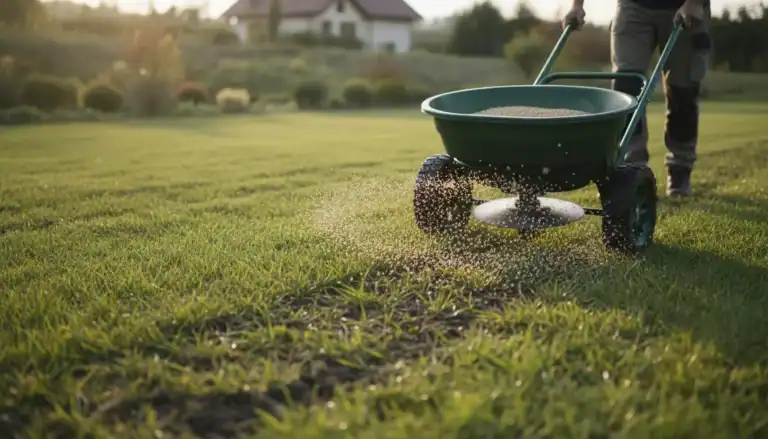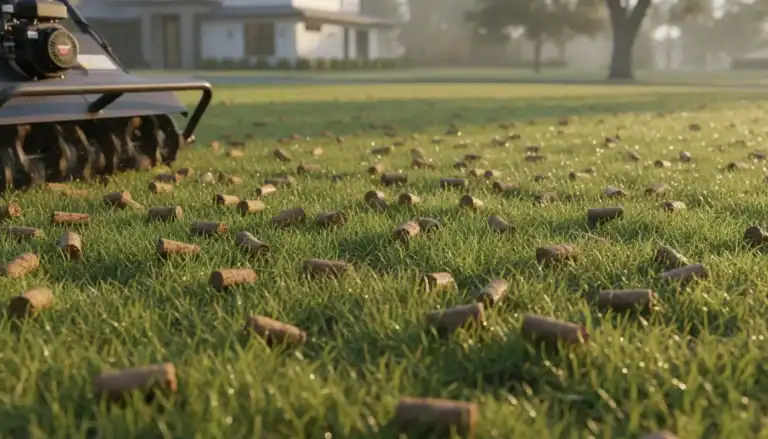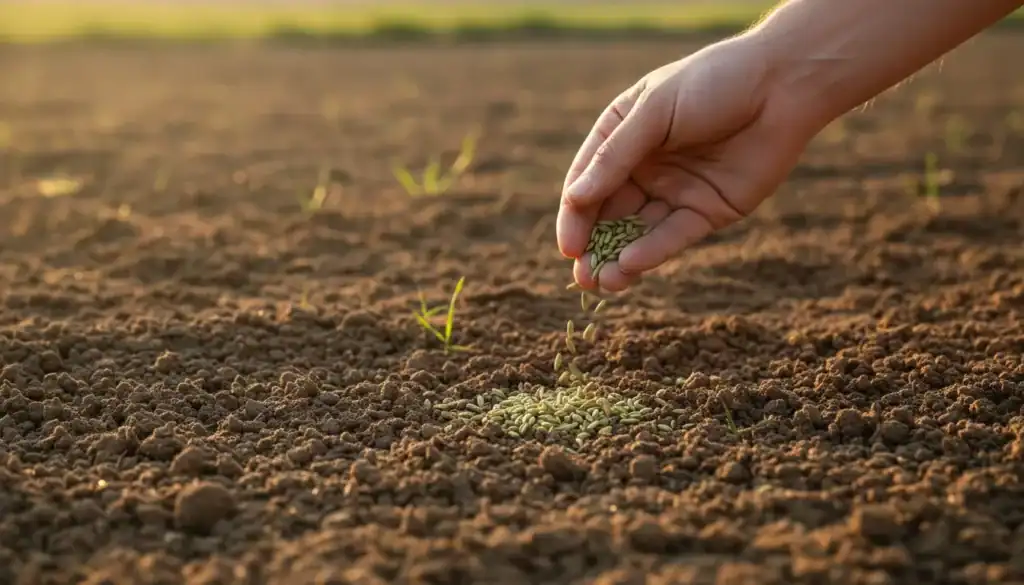
Most grass seed germinates in 5 to 30 days, depending on the grass type and growing conditions. Fast-germinating species like perennial ryegrass can sprout in as few as 3 to 5 days, while Kentucky bluegrass and bermuda grass may take 14 to 30 days to show visible growth. From germination to a fully established, mow-ready lawn typically takes 8 to 12 weeks.
Key Takeaways
- Grass seed germinates in 5–30 days depending on species, ryegrass is fastest (3–5 days), Kentucky bluegrass is slowest (14–30 days)
- Soil temperature matters more than air temperature, most grass needs 50–65°F soil temps for germination
- Keep seed consistently moist (not soaked) for the first 2–3 weeks, water lightly 2–3 times per day
- First mowing at 3–4 inches tall, typically 6–8 weeks after planting
- A fully established lawn takes 8–12 weeks from seeding
How long does each grass type take to germinate?
Germination time varies significantly by grass species. Perennial ryegrass is the fastest-germinating lawn grass at 3 to 7 days, which is why it’s often included in seed mixes to provide quick ground cover while slower species establish. At the other end, Kentucky bluegrass and bermuda grass can take 2 to 4 weeks before you see the first sprouts.
| Grass Type | Season | Germination Time | Min. Soil Temp | First Mow Ready |
|---|---|---|---|---|
| Perennial Ryegrass | Cool | 3–7 days | 50°F (10°C) | 4–5 weeks |
| Annual Ryegrass | Cool | 5–10 days | 50°F (10°C) | 4–5 weeks |
| Tall Fescue | Cool | 7–12 days | 50°F (10°C) | 6–8 weeks |
| Fine Fescue | Cool | 7–14 days | 50°F (10°C) | 6–8 weeks |
| Kentucky Bluegrass | Cool | 14–30 days | 50°F (10°C) | 8–12 weeks |
| Bermuda Grass | Warm | 7–28 days | 65°F (18°C) | 6–10 weeks |
| Zoysia Grass | Warm | 14–21 days | 65°F (18°C) | 8–12 weeks |
| Buffalo Grass | Warm | 14–30 days | 60°F (15°C) | 8–12 weeks |
| Centipede Grass | Warm | 14–28 days | 65°F (18°C) | 8–10 weeks |
| Bahia Grass | Warm | 14–28 days | 65°F (18°C) | 8–10 weeks |
According to Purdue University Extension, seed mixes containing multiple species germinate at different rates by design, fast-germinating ryegrass holds the soil while slower Kentucky bluegrass fills in over time to create a dense, permanent lawn.
What factors affect how fast grass seed grows?
Soil temperature is the single biggest factor in germination speed, not air temperature. Cool-season grasses need soil temperatures of at least 50°F (10°C), while warm-season grasses require 60–65°F (15–18°C) or higher. Planting when soil temps are right can cut germination time in half compared to planting too early in the season.
Soil temperature
Use a soil thermometer inserted 2 inches deep to check temperature. Take readings in the morning for the most accurate result. The ideal soil temperature range for cool-season grasses is 50–65°F (10–18°C), and for warm-season grasses it’s 65–75°F (18–24°C). The University of Minnesota Extension recommends waiting until soil temperatures are consistently in the target range for at least 3–5 consecutive days before seeding.
Moisture
Grass seed must stay consistently moist during germination, the top 1 inch of soil should never dry out completely. Water lightly 2 to 3 times per day for 5 to 10 minutes per session. Once seedlings emerge, gradually transition to deeper, less frequent watering (once daily, then every other day) to encourage root growth. Overwatering causes seed rot and fungal problems, so the soil should be damp, not waterlogged.
Seed-to-soil contact
Grass seed germinates on the soil surface, not buried deep. Press seeds into the soil using a lawn roller or by walking over the area, but don’t bury them more than ¼ inch deep. Seeds sitting on top of existing thatch or mulch without soil contact will dry out and fail to germinate.
Sunlight and season
Most grass species need 4 to 6 hours of sunlight for healthy germination. The best time to seed cool-season grasses is late summer to early fall (mid-August to mid-September in most northern states), when soil is warm from summer but air temperatures are cooling. Warm-season grasses should be seeded in late spring to early summer (May to June) when soil temperatures reach 65°F or higher.
| Factor | Speeds Up Germination | Slows Down Germination |
|---|---|---|
| Soil temperature | Consistently in target range (50–75°F) | Below minimum or fluctuating widely |
| Moisture | Top inch stays evenly moist | Dries out between waterings |
| Soil contact | Seed pressed into prepared soil | Seed sitting on thatch or hard surface |
| Planting depth | Surface to ¼ inch deep | Buried more than ½ inch |
| Soil prep | Loose, raked, 4–6 inches tilled | Compacted clay or hard soil |
| Sunlight | 4–6+ hours per day | Heavy shade (except fine fescue) |
| Seed age | Fresh seed (this year’s harvest) | Seed stored 2+ years |

What does grass look like at each growth stage?
New grass goes through distinct visible stages from seed to established lawn. Knowing what to expect at each stage helps you avoid the common mistake of thinking your seed has failed when it’s actually on track.
Days 1–5: No visible growth. The seed absorbs moisture and begins internal processes. The soil surface looks unchanged. This is normal, resist the urge to add more seed.
Days 5–10: First sprouts appear. Tiny white or pale green shoots break through the soil surface. Fast-germinating species like ryegrass appear first. The lawn will look sparse and patchy, this is expected.
Days 10–21: Filling in. Slower-germinating species begin to emerge. Early sprouts grow to 1–2 inches. The lawn transitions from scattered sprouts to visible rows or patches of green, depending on your seeding pattern.
Weeks 3–6: Rapid vertical growth. Grass blades reach 2–4 inches. The lawn starts looking like a lawn rather than scattered sprouts. This is when you give your first mow, when the grass reaches 3 to 4 inches, cut it to about 2.5 to 3 inches. Use a sharp blade and avoid heavy mowing equipment on new turf. For detailed mowing heights by grass type, see our complete lawn mowing guide.
Weeks 6–12: Establishment. Roots deepen, the canopy thickens, and the lawn becomes dense enough to resist weeds and foot traffic. Cool-season grasses develop tillers (side shoots) that fill in gaps. Warm-season grasses begin sending out lateral runners or stolons. By week 12, the lawn is considered established for most species.
How to speed up grass seed germination
You can reduce germination time by 3 to 7 days with proper preparation. The goal is to create ideal conditions for the seed, not to skip the biological process, no product or trick makes grass germinate instantly.
- Test soil temperature first. Wait until soil is consistently at the minimum temperature for your grass type (see table above). Planting when soil is 5–10°F above the minimum speeds germination significantly.
- Prepare the seedbed. Rake the area to loosen the top 2–4 inches of soil. Remove debris, rocks, and dead grass. A loose, crumbly surface gives seeds better contact and easier root penetration.
- Apply a starter fertilizer. Use a fertilizer with a higher phosphorus ratio (such as 10-18-10) at the time of seeding. Phosphorus promotes root development. Apply at the rate listed on the bag, more is not better.
- Use a seed-specific top dressing. Cover seeds lightly with a thin layer (⅛ to ¼ inch) of peat moss, fine compost, or commercial seed-starting mulch. This retains moisture around the seed without burying it too deep.
- Roll or tamp the area. Use a lawn roller (half-filled with water) or walk over the seeded area to press seeds into the soil. Good seed-to-soil contact is the most underrated germination accelerator.
- Water immediately and keep moist. Water the area gently right after seeding. For the first 2–3 weeks, water lightly 2–3 times per day. Set a timer, consistency matters more than volume.
Get a Free Personalised Lawn Plan
Answer 3 quick questions about your lawn and we'll build a custom care plan — tailored to your grass type, climate, and biggest challenges.
Build My Lawn Plan →Research from Oregon State University Extension confirms that proper soil preparation and consistent moisture are more effective at speeding germination than any chemical treatment or pre-soaking technique.
Can you just sprinkle grass seed on your lawn?
You can sprinkle grass seed directly onto an existing lawn (called overseeding), but germination rates will be significantly lower than with proper soil preparation, typically 30–50% lower according to Penn State University Extension. For overseeding to work, you need to ensure the seed reaches the soil surface, not just sit on top of existing grass blades and thatch.
For best results when overseeding:
- Mow the existing lawn short (1.5–2 inches) before seeding
- Dethatch or core aerate first, this creates openings in the soil for seed contact
- Spread seed at 50% of the new lawn rate listed on the bag
- Top-dress with a thin layer (⅛ inch) of compost
- Water 2–3 times daily for the first 2 weeks
Simply tossing seed onto a thick, unmowed lawn without any preparation typically results in less than 10% germination. The seed dries out on top of the grass canopy before it can root.

When is the best time to plant grass seed?
The best planting time depends on your grass type. Planting at the wrong time is the most common reason grass seed fails, even with perfect watering and soil preparation.
| Grass Season | Best Planting Window | Acceptable Window | Avoid |
|---|---|---|---|
| Cool-season (ryegrass, fescue, bluegrass) | Late Aug – mid Sept | Early spring (March–April) | Summer (June–Aug) |
| Warm-season (bermuda, zoysia, buffalo) | Late May – June | April – early July | Fall and winter |
Fall planting is ideal for cool-season grasses because the soil is still warm from summer (promoting fast germination), air temperatures are cooler (reducing water stress), and weed competition is declining. The University of Maryland Extension notes that fall-seeded lawns establish 30–40% faster than spring-seeded lawns of the same species. If you’re planting in spring instead, our spring lawn care checklist covers the full preparation timeline.
What to do if your grass seed isn’t growing
If you haven’t seen any growth after the expected germination time for your grass type, don’t reseed immediately. First, diagnose the problem, adding more seed on top of a failed seeding rarely fixes the underlying issue.
Check soil temperature. If it’s below the minimum for your grass type, germination is simply delayed, not failed. The seed is still viable, it’s waiting for warmer conditions.
Check moisture. Dig a finger into the top inch of soil. If it’s dry, your watering schedule isn’t adequate. Increase frequency to 3 times per day for 5–10 minutes each session.
Check for seed washout. Heavy rain or overwatering can wash seed into low spots, leaving bare patches on slopes and raised areas. Look for seed accumulation in drainage areas.
Check for bird or pest damage. Birds, squirrels, and insects eat grass seed. If you see the soil surface is bare where you seeded (no seed visible), critters may have eaten it. Cover the area with a thin layer of straw mulch or use bird netting for the next attempt.
Check seed viability. Old seed (2+ years) has significantly lower germination rates. Check the “test date” on the seed bag, if it’s more than 12 months old, germination rates may have dropped below 50%. Fresh seed from the current year’s harvest germinates fastest.
If your seed truly hasn’t germinated after 4 weeks in proper conditions, it’s reasonable to reseed. Lightly rake the surface to break any crust that may have formed, apply fresh seed, and resume the watering schedule.
Frequently Asked Questions
A fully established lawn takes 8 to 12 weeks from seeding for most grass types. Fast-germinating species like perennial ryegrass establish in as little as 6 weeks, while slow growers like Kentucky bluegrass and zoysia may take a full 12 weeks. The lawn is “established” when it can tolerate normal foot traffic, regular mowing, and has filled in without visible bare spots.
Yes, perennial ryegrass and annual ryegrass can germinate in as few as 3 to 5 days under ideal conditions (soil temperature above 50°F and consistent moisture). Most other grass species take 7 to 30 days. If you need quick results, choose a seed mix with a high percentage of ryegrass.
Grass seed should be lightly pressed into the soil or covered with no more than ¼ inch of topsoil, compost, or peat moss. Most grass seed needs light to germinate and won’t sprout if buried more than ½ inch deep. The key is good seed-to-soil contact, not depth of coverage.
During the first 2 to 3 weeks after seeding, water 2 to 3 times per day in light sessions (5–10 minutes each) to keep the top inch of soil consistently moist. Once seedlings are 1 to 2 inches tall, reduce to once daily. After the first mow, transition to every-other-day deep watering to encourage deeper root growth.
For cool-season grasses, early October is still acceptable in USDA zones 5–7, but germination will be slower as soil cools. The grass needs at least 6 to 8 weeks of growth before the first hard frost to survive winter. In zones 3–4, October is generally too late. For warm-season grasses, October is too late everywhere, wait until the following spring when soil temperatures rise above 65°F.