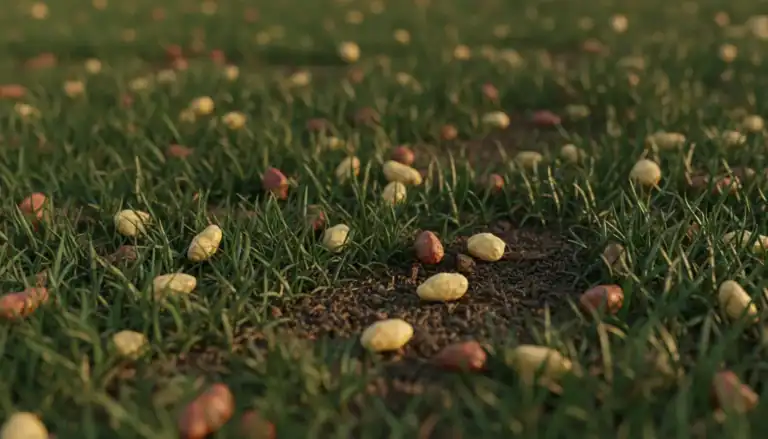
Lawn top dressing is the process of spreading a thin layer of organic material, typically compost, sand, and soil mixture, across your grass to improve soil structure, level uneven areas, and boost lawn health. The standard top dressing depth is 1/4 to 1/2 inch, applied during active growing seasons when grass can quickly grow through the material. This technique fills low spots, reduces thatch buildup, and adds essential nutrients directly to the root zone.
Key Takeaways
- Apply top dressing at 1/4 to 1/2 inch depth, thicker layers smother grass
- Best timing: Late spring (May-June) or early fall (September-October) during active growth
- Standard mix ratio: 75% fine sand, 25% screened compost for most lawns
- Coverage rate: 2-3 cubic yards covers 1,000 square feet at proper depth
- Always top dress after core aeration for maximum soil penetration and benefit
What Is Lawn Top Dressing and Why Use It?
Top dressing creates a nutrient-rich layer that gradually works into your existing soil through natural processes and watering. Unlike fertilizer that provides quick nutrition, top dressing offers long-term soil improvement by adding organic matter. It improves drainage in clay soils and helps sandy soils retain moisture and nutrients.
This practice serves multiple purposes: leveling minor surface irregularities, reducing thatch accumulation, improving soil biology with beneficial microorganisms, and providing slow-release nutrition. Professional lawn services routinely include top dressing in comprehensive turf management programs because it addresses soil health at the root level, not just the surface symptoms.
According to Penn State Extension, top dressing can reduce thatch layers by up to 50% over two growing seasons while significantly improving water infiltration rates. The organic matter feeds soil microbes that naturally break down thatch and cycle nutrients back to grass roots.

Best Top Dressing Materials and Mix Ratios
The ideal top dressing blend depends on your existing soil type and lawn conditions. For most lawns, a 75% sand and 25% compost mixture provides optimal results, the sand improves drainage and fills low spots while compost adds organic matter and nutrients.
| Soil Type | Recommended Mix | Purpose |
|---|---|---|
| Clay soil | 80% sand, 20% compost | Improve drainage, reduce compaction |
| Sandy soil | 60% sand, 40% compost | Add organic matter, improve water retention |
| Loamy soil | 75% sand, 25% compost | General maintenance and leveling |
| Heavy thatch | 70% sand, 30% compost | Biological thatch reduction |
Use only screened compost, unscreened material contains chunks that create an uneven surface. The sand should be washed and angular, not rounded river sand which doesn’t bind well. Avoid using topsoil in top dressing mixes. Topsoil often contains weed seeds and may not match your existing soil drainage characteristics.
When to Top Dress Your Lawn
Schedule top dressing during periods of active grass growth when plants can quickly grow through the applied material. Late spring (May through June) and early fall (September through October) provide optimal conditions in most climates.
Spring application works best for warm-season grasses like Bermuda, Zoysia, and St. Augustine when soil temperatures reach 65-70°F consistently. Cool-season grasses including fescue, bluegrass, and ryegrass respond better to fall top dressing when temperatures drop to 60-75°F range.
Never top dress during drought stress, extreme heat, or when grass is dormant. The University of Georgia Extension recommends waiting until grass shows active growth, typically when you’ve mowed 2-3 times in the season. Never top dress frozen or waterlogged lawns as the material won’t properly integrate.

How Much Top Dressing Material Do You Need?
Calculate material needs based on lawn square footage and desired application depth. For a standard 1/4-inch application, you need approximately 2 cubic yards per 1,000 square feet. At 1/2-inch depth, increase to 3 cubic yards per 1,000 square feet.
Measure your lawn accurately, multiply length by width for rectangular areas, or break irregular shapes into smaller sections. Most suppliers sell top dressing mix by the cubic yard, with minimum orders typically starting at 2-3 yards.
In our testing of different application rates, 1/4 inch provides sufficient leveling for minor irregularities while allowing grass to emerge quickly. The 1/2-inch depth works better for more significant level corrections but requires closer monitoring to ensure grass doesn’t get smothered.
Step-by-Step Top Dressing Application Process
Start by mowing your lawn shorter than normal, set cutting height 1/2 inch lower than usual to minimize material getting caught in grass blades. Remove any debris, leaves, or thick thatch layers that would prevent good soil contact.
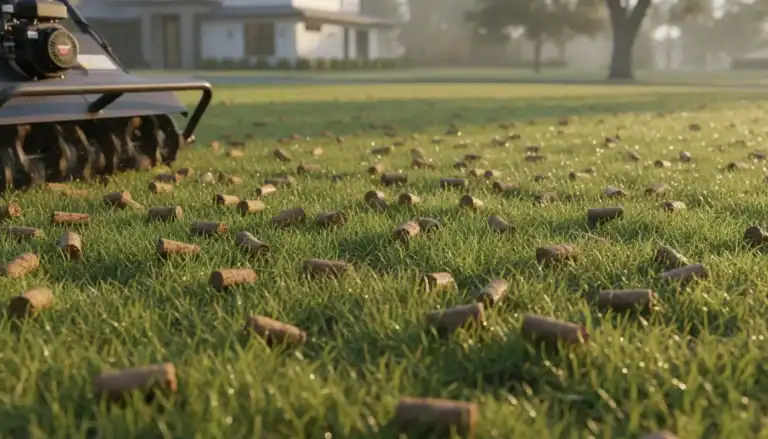
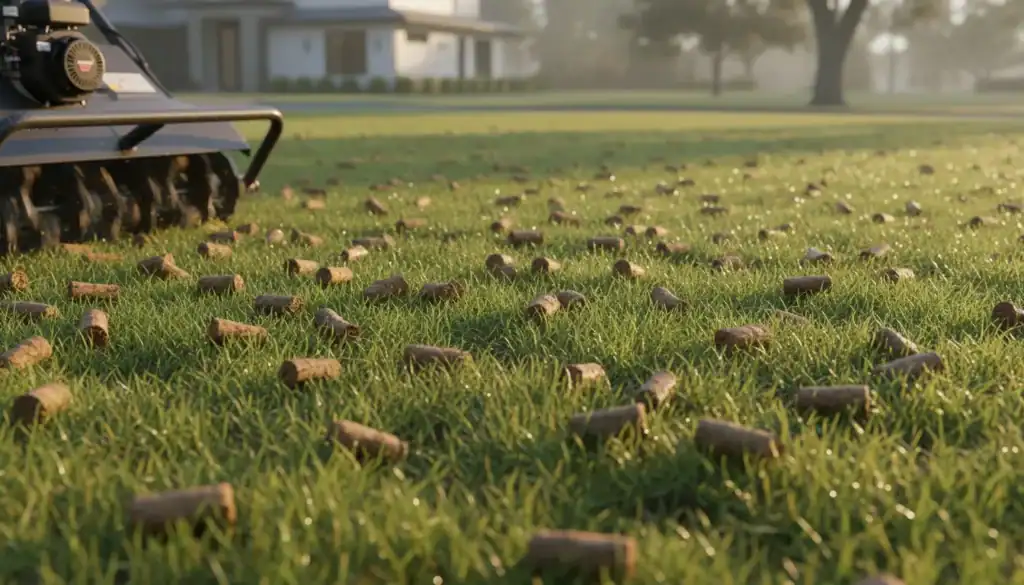
Core aerate before top dressing for maximum benefit. The holes created during aeration allow the top dressing material to penetrate deeper into the root zone rather than sitting on the surface. Wait 24-48 hours after aeration to let holes stay open.
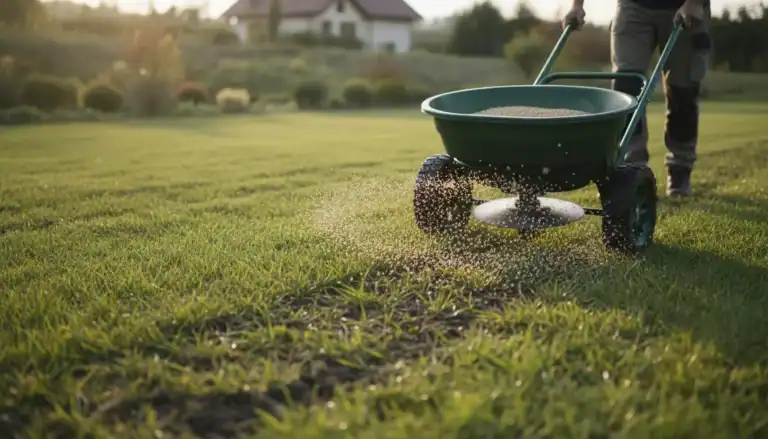
Spread material evenly using a drop spreader for small areas or a landscape rake for larger lawns. Work in sections, applying thin layers rather than thick dumps. Use the back of a landscape rake or leveling rake to smooth and level the material.
Water lightly after application to help material settle but avoid heavy watering that creates runoff or washout. Apply 1/4 to 1/2 inch of water to help the top dressing begin integrating with existing soil.
Get a Free Personalised Lawn Plan
Answer 3 quick questions about your lawn and we'll build a custom care plan — tailored to your grass type, climate, and biggest challenges.
Build My Lawn Plan →
Top Dressing vs Other Lawn Improvement Methods
Top dressing provides different benefits compared to other common lawn treatments. Unlike liquid fertilizers that offer quick but temporary nutrition, top dressing creates lasting soil improvements that benefit grass for multiple seasons.
| Method | Primary Benefit | Duration | Cost Range |
|---|---|---|---|
| Top dressing | Soil structure improvement | 2-3 seasons | $150-300/1,000 sq ft |
| Fertilization | Nutrient boost | 6-12 weeks | $25-50/1,000 sq ft |
| Overseeding | Grass density | 1-2 seasons | $75-150/1,000 sq ft |
| Core aeration | Compaction relief | 1 season | $75-125/1,000 sq ft |
Combining top dressing with other treatments maximizes results. The most effective sequence starts with core aeration, followed immediately by top dressing, then overseeding if needed. This combination addresses multiple lawn health factors simultaneously.
Common Top Dressing Mistakes to Avoid
The biggest mistake is applying material too thickly, anything over 1/2 inch can smother grass and create bare patches. We’ve seen homeowners dump inches of material thinking more is better, only to kill large lawn sections.
Using the wrong sand type causes drainage problems. Avoid fine sand or play sand which compacts easily. Mason sand or concrete sand provides better structure and drainage characteristics for most soil types.
Poor timing leads to stressed grass that can’t grow through the applied material. Never top dress during dormant periods, drought stress, or extreme temperatures. The grass must be actively growing to successfully emerge through the new layer.
Skipping soil testing means you might choose the wrong material mix. Clay soils need more sand content while sandy soils benefit from higher compost ratios. A simple soil test reveals pH, organic matter content, and soil texture to guide material selection.

Costs and Sourcing Top Dressing Materials
Bulk material from landscape supply yards costs $25-45 per cubic yard for standard sand-compost blends. Bagged products at retail stores cost 3-4 times more, expect to pay $8-12 per cubic foot versus $1.50-2.50 from bulk suppliers.
Most landscape suppliers offer delivery for orders over 3-5 cubic yards, with delivery fees ranging $50-100 depending on distance. For small lawns under 2,000 square feet, bagged material might be more practical despite higher per-unit costs.
Many suppliers offer pre-mixed lawn dressing blends, but you can also mix your own. Purchase screened compost at $35-50 per yard and washed sand at $20-35 per yard. Mixing on-site gives you control over ratios and often reduces total cost by 15-20%.
Measuring Top Dressing Success
Monitor grass emergence within 7-14 days after application. Healthy grass should show new growth poking through the material within this timeframe. If grass struggles to emerge after two weeks, you likely applied material too thickly.
Check soil integration after the first major rain or irrigation cycle. Properly applied top dressing should begin settling into the existing soil surface rather than sitting as a distinct layer. Water infiltration should improve noticeably in previously compacted areas.
From our experience, measuring thatch reduction over the growing season provides the clearest success indicator. According to Michigan State Extension, effective top dressing programs reduce thatch thickness by 1/4 to 1/2 inch annually through enhanced biological activity. Use a soil probe or spade to check thatch depth before and after treatment.
Long-term success appears as improved grass color, density, and stress tolerance. Top dressed lawns typically show better drought resistance and require less frequent irrigation due to improved soil structure and organic matter content.