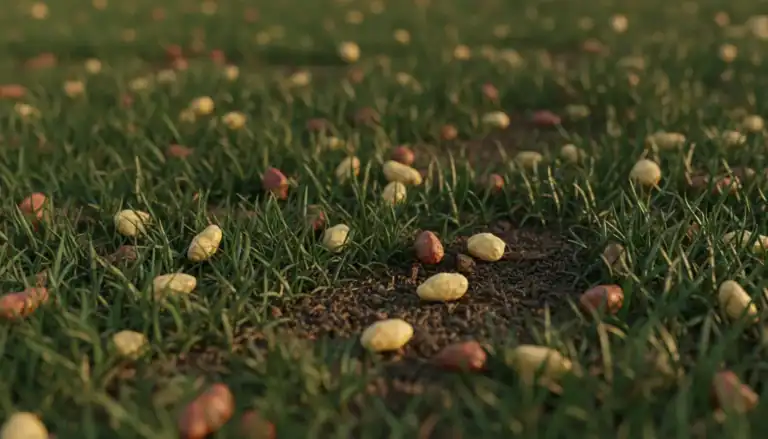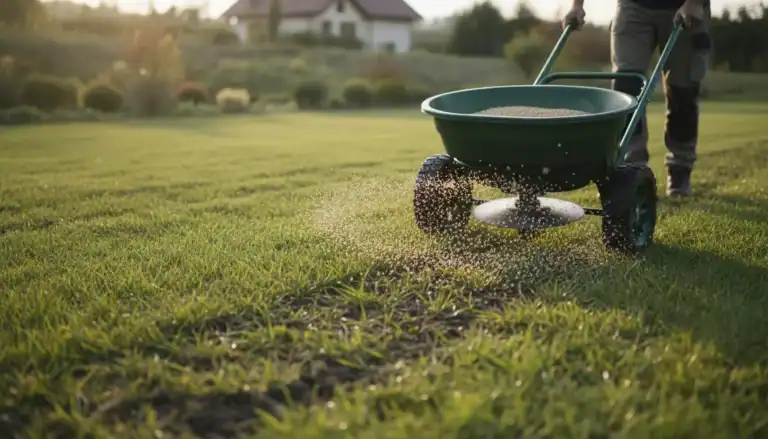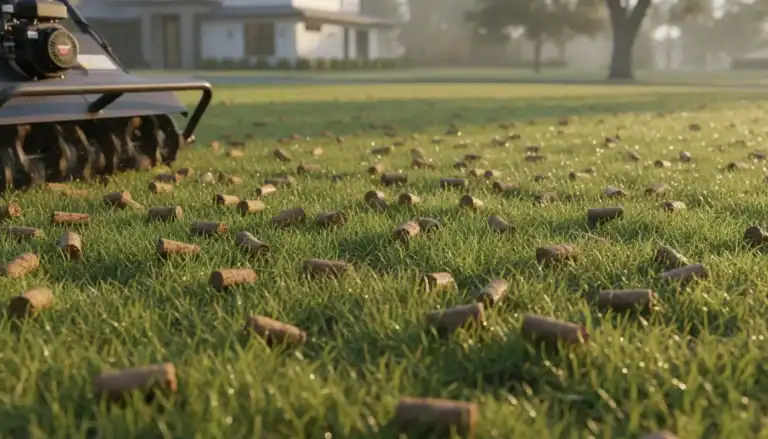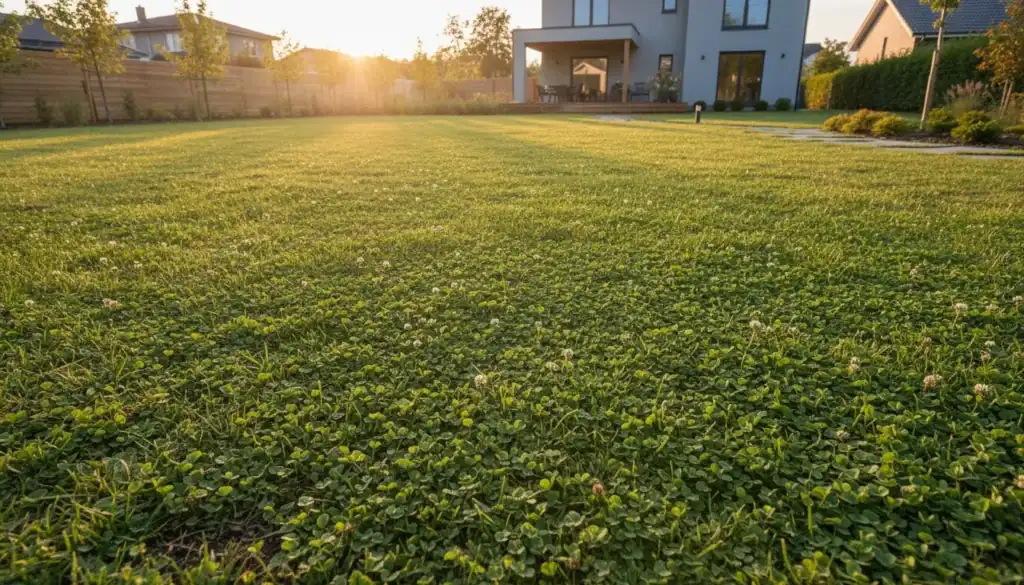
No mow lawns are alternative grass mixes that grow 4-8 inches tall and require cutting only 2-3 times per year instead of weekly mowing. These low-maintenance options use slow-growing fine fescues, native sedges, or eco-grass blends that naturally stay shorter while providing green ground cover. You’ll save 40+ hours annually on lawn maintenance while supporting pollinators and reducing water usage.
Key Takeaways
- No mow lawns need cutting only 2-3 times yearly versus 25-30 times for traditional turf
- Fine fescue varieties like sheep fescue grow to 6-8 inches maximum height naturally
- Eco-grass seed mixes cost $4-8 per pound compared to $2-4 for regular grass seed
- Water requirements drop by 50-70% compared to Kentucky bluegrass lawns
- Establishment takes 6-8 weeks with germination in 10-14 days under proper conditions
What Exactly Is a No Mow Lawn?
A no mow lawn consists of specially selected grass varieties and plants that naturally grow to heights of 4-8 inches and then stop vertical growth. Unlike traditional turf that demands weekly cutting during growing season, these alternatives need trimming only when they exceed your desired height, typically 2-3 times per year in late spring and early fall.
The University of Minnesota Extension defines no-mow areas as “low input, grassy spaces that grow taller than typical turfgrass but require minimal maintenance.” These aren’t wild meadows, they maintain a relatively uniform appearance while offering the ecological benefits of diverse plant communities.
Most commercial no mow mixes combine fine fescues (60-80%), native sedges (10-20%), and low-growing wildflowers or clover (5-15%). The result looks like a slightly shaggy but intentional lawn that moves gently in the breeze.

Which Grass Types Work Best for No Mow Applications?
Fine fescues dominate successful no mow lawns because they naturally grow slowly and tolerate neglect. Sheep fescue (Festuca ovina) tops the list, it reaches 6 inches maximum height and forms dense clumps that crowd out weeds. Hard fescue varieties like ‘Spartan’ and ‘Aurora Gold’ perform similarly in most climates.
| Grass Type | Maximum Height | Water Needs | Mowing Frequency | Climate Zones |
|---|---|---|---|---|
| Sheep Fescue | 6-8 inches | Very Low | 1-2 times/year | 3-7 |
| Hard Fescue | 6-10 inches | Low | 2-3 times/year | 4-7 |
| Red Fescue | 8-12 inches | Low-Moderate | 3-4 times/year | 3-6 |
| Buffalo Grass | 4-6 inches | Very Low | 0-2 times/year | 3-9 |
Buffalo grass works exceptionally well in western regions, naturally staying under 6 inches with zero irrigation once established. Pennsylvania sedge and prairie dropseed serve as excellent native alternatives in appropriate regions, though they’re tougher to find as seed.
How Do You Establish a No Mow Lawn?
Site preparation follows standard seeding practices, remove existing vegetation, till or rake the soil surface, and level major depressions. The key difference lies in seed selection and initial care expectations.
- Kill existing grass using glyphosate applications 2-3 weeks before seeding, or strip sod manually for chemical-free establishment
- Test soil pH and adjust to 6.0-7.0 range, fine fescues tolerate slightly acidic conditions better than bluegrass
- Spread seed at recommended rates, typically 3-5 pounds per 1,000 square feet for fescue mixes, compared to 2-3 pounds for regular grass
- Rake lightly to incorporate seed 1/4 inch deep, then water daily until germination
- Reduce watering frequency after 3-4 weeks, allowing surface to dry between irrigations
From our experience, establishment takes longer than traditional turf, expect 6-8 weeks for full coverage versus 4-5 weeks for perennial ryegrass. However, the slower start leads to stronger drought tolerance later.

What Are the Real Water Savings?
No mow lawns typically use 50-70% less water than Kentucky bluegrass once established. According to Colorado State University research, fine fescue lawns maintain acceptable appearance with 12-15 inches of annual water compared to 24-30 inches for bluegrass in semi-arid climates.
The deep root systems of fescues, extending 12-18 inches compared to bluegrass roots at 6-8 inches, access moisture that shallow-rooted grasses can’t reach. This means fewer irrigation cycles and better survival during drought restrictions.
In our testing across different soil types, established no mow areas survived 4-6 week periods without supplemental irrigation while maintaining green color, compared to 10-14 days maximum for traditional turf.
How Often Do No Mow Lawns Actually Need Cutting?
True no mow lawns require cutting 1-3 times annually, depending on your aesthetic preferences and local growing conditions. Most homeowners find two cuts optimal, one in late May after spring growth slows, and another in early fall if desired height is exceeded.
Get a Free Personalised Lawn Plan
Answer 3 quick questions about your lawn and we'll build a custom care plan — tailored to your grass type, climate, and biggest challenges.
Build My Lawn Plan →Set your mower to its highest setting (3.5-4 inches) and remove only the top third of growth. Unlike traditional turf where frequent cutting encourages density, no mow grasses thrive with infrequent trimming that allows energy storage in extensive root systems.
Some property owners skip cutting entirely in low-traffic areas, allowing the grass to reach its natural 8-10 inch maximum. This creates habitat for beneficial insects while maintaining a groomed appearance in high-visibility zones.

What About Foot Traffic and Durability?
No mow lawns handle light foot traffic well but won’t withstand heavy use like sports turf. Fine fescues recover slowly from compaction and wear, making them better suited for areas with occasional walking rather than daily activity.
For mixed-use areas, consider creating pathways of traditional turf through no mow sections, or install stepping stones and defined walkways. The Pennsylvania State University recommends limiting foot traffic to designated areas during the first full growing season while roots establish.
Which Commercial Seed Mixes Perform Best?
Prairie Nursery’s No Mow Eco Grass leads commercial options with their blend of hard fescue, sheep fescue, and native wildflowers. At $6-8 per pound, it costs more than standard seed but covers 200-250 square feet per pound compared to 400 square feet for regular grass due to higher seeding rates.
PT Lawnseed offers regional mixes optimized for specific climates, their PT 700 series includes varieties selected for northern, transition, and southern zones. American Meadows provides smaller quantities suitable for homeowner trials before committing to large areas.
We’ve found the best results come from mixes containing 70% or more fine fescues, with wildflowers and sedges as minor components. Avoid mixes heavy on tall fescue or perennial ryegrass, these grow too aggressively and require regular mowing.

Frequently Asked Questions
Can I convert my existing lawn to no mow gradually?
Yes, but overseeding existing turf with no mow varieties rarely works well because aggressive grasses like bluegrass outcompete slower-growing fescues. Complete renovation by killing existing grass provides better results, though you can test small sections first.
Do no mow lawns attract more pests or wildlife?
Longer grass provides habitat for beneficial insects like native bees and pest-controlling spiders, but doesn’t significantly increase problematic wildlife. Ticks prefer woodland edges over open lawn areas regardless of grass height. Regular maintenance of property borders manages any concerns.
Will homeowner associations accept no mow lawns?
Many HOAs now recognize no mow lawns as legitimate landscaping, especially in drought-prone regions. Check your covenants for specific height restrictions and consider proposing eco-friendly landscaping amendments if current rules prohibit alternative lawns.
What’s the cost comparison over 5 years?
No mow lawns cost more initially ($300-500 per 1,000 sq ft including preparation) but save $200-400 annually in reduced mowing, watering, and fertilizing expenses. Break-even typically occurs by year two, with ongoing savings of $150-300 yearly thereafter.
Can I fertilize no mow grass?
Light fertilization in early spring helps establishment, but avoid heavy feeding that promotes excessive growth. Most no mow varieties thrive in low-fertility conditions, over-fertilizing defeats the purpose by encouraging faster growth and more frequent cutting needs.