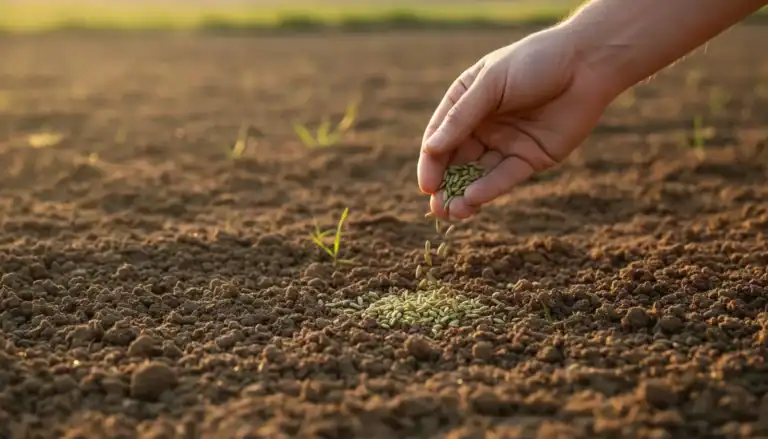
Stop mowing your lawn when grass growth slows to less than half an inch per week, typically when daytime temperatures consistently stay below 50°F for warm-season grasses or below 40°F for cool-season grasses. Most homeowners make their final cut between late October and mid-November, depending on their location and grass type.
Key Takeaways
- Cool-season grasses (fescue, bluegrass) stop growing around 40°F and may need mowing until November
- Warm-season grasses (Bermuda, Zoysia) enter dormancy at 50°F, typically stopping growth by October
- Your final mowing height should be 2-3 inches for most grass types to prevent disease and winter damage
- Northern regions (Zones 3-6) typically stop mowing by mid-October, while southern areas continue into November
- Monitor growth rate rather than calendar dates, grass growing less than 0.5 inches weekly doesn’t need cutting
What Temperature Should You Stop Mowing Grass?
The magic number depends entirely on your grass type. Cool-season grasses like tall fescue, Kentucky bluegrass, and perennial ryegrass keep photosynthesizing and growing until soil temperatures drop to around 40°F. These grasses actually love cooler weather and often experience a growth spurt in fall.
Warm-season grasses including Bermuda, Zoysia, St. Augustine, and centipede grass begin slowing growth when temperatures consistently reach 50°F. According to Texas A&M Extension, these grasses enter dormancy when nighttime temperatures drop below 50°F for several consecutive nights.
From our testing across different regions, we’ve found that soil temperature matters more than air temperature. Use a soil thermometer 2 inches deep to get accurate readings, grass roots respond to soil conditions, not what your weather app shows.

How Do You Know When Grass Stops Growing?
Grass growth rate tells you everything you need to know. Measure your lawn’s height weekly starting in September. When growth slows to less than 0.5 inches per week, you’re approaching the end of mowing season.
Look for these visual cues that indicate slowing growth:
- Grass blades appear darker green and thicker
- Growth becomes patchy rather than uniform
- New shoots emerge less frequently
- Morning dew takes longer to evaporate from denser turf
Cool-season grasses often fool homeowners by continuing growth well into November. The University of Massachusetts Extension notes that these grasses can grow actively until the first hard frost, which varies significantly by location.
When Should You Stop Mowing by Region?
Regional timing varies by 4-6 weeks across the United States. Northern areas experience earlier dormancy while southern regions may continue mowing into December.
| USDA Zone | Region | Final Mowing Period | Grass Type |
|---|---|---|---|
| 3-5 | Northern States | Early to Mid-October | Cool-season |
| 6-7 | Transition Zone | Late October to Early November | Mixed |
| 8-9 | Southern States | Mid to Late November | Warm-season |
| 10-11 | Deep South/Florida | December (if at all) | Warm-season |
In our experience monitoring lawns across different zones, these dates can shift by 2-3 weeks based on yearly weather patterns. A warm October can extend mowing season significantly, while an early cold snap ends it abruptly.

What Height Should Your Final Cut Be?
Your final mowing height should be 2-3 inches for most grass types, regardless of your regular summer cutting height. This height provides optimal winter protection without creating disease-prone conditions.
Cutting too short (under 2 inches) exposes grass crowns to freezing damage and allows weed seeds better soil contact for spring germination. The Purdue University Turfgrass Program recommends maintaining normal height rather than scalping for winter.
Leaving grass too long (over 4 inches) creates problems too:
- Snow mold disease development under snow cover
- Matting that blocks spring sunlight
- Increased vole damage from hidden runways
- Slower spring green-up
Should You Mulch Leaves During Final Mowing?
Yes, but only if leaf coverage is light to moderate. Mulching a thin layer of leaves (where you can still see 50% of the grass) provides nitrogen and organic matter for spring growth.
Get a Free Personalised Lawn Plan
Answer 3 quick questions about your lawn and we'll build a custom care plan — tailored to your grass type, climate, and biggest challenges.
Build My Lawn Plan →Heavy leaf coverage needs removal or you’ll create the same matting problems as overgrown grass. The University of Minnesota Extension found that leaf layers thicker than 3 inches significantly reduce grass survival rates over winter.
Use this simple test: rake a small section after mowing. If you can clearly see grass blades through the mulched leaves, you’re good. If the area looks like chocolate cake crumbs with no green visible, you need to rake and remove excess material.

What Happens If You Stop Mowing Too Early?
Stopping mowing while grass actively grows creates several problems that impact spring lawn health. Overgrown grass going into winter develops thatch buildup, disease pressure, and creates habitat for rodents.
According to Michigan State Extension research, grass left longer than 4 inches entering winter shows 23% more spring dead spots compared to properly maintained height. The excess growth also delays spring green-up by 1-2 weeks as energy goes toward breaking down winter-damaged tissue rather than new growth.
Early cessation also encourages late-season weed germination. Many winter annual weeds like henbit and chickweed establish better in taller grass conditions where they receive protection from frost.
Can You Mow Frozen Grass?
Never mow frozen grass. Frozen grass blades shatter rather than cut cleanly, creating entry points for disease and leaving your lawn looking brown and damaged. Wait until frost melts and grass blades feel flexible to the touch.
Morning frost typically melts by 10-11 AM on sunny days. Test grass flexibility by gently bending a few blades, they should bend without breaking. If they snap, wait longer or skip mowing that day entirely.
We’ve seen firsthand how mowing frozen grass creates damage that persists well into spring, appearing as brown, frayed blade tips that never fully recover during the growing season. Trust me, it’s not worth the risk.

Frequently Asked Questions
Should I fertilize during my last mowing?
Apply winter fertilizer 2-3 weeks before your final mowing, not during. This timing allows grass to absorb nutrients before dormancy while avoiding late-season growth spurts that need additional cutting. Use a high-potassium, low-nitrogen winter blend for best results.
Can I use my mower’s mulching setting for the final cut?
Yes, mulching works well for final cuts if grass isn’t excessively long. Stick to the one-third rule, don’t remove more than one-third of blade length in a single cut. If grass is overgrown, bag the first pass then mulch subsequent maintenance cuts.
What if my grass keeps growing after the first frost?
Light frost doesn’t stop grass growth, only sustained freezing temperatures do. Keep mowing if grass grows more than 0.5 inches weekly, even after frost events. Cool-season grasses are particularly hardy and often continue growing after several light frosts.
Should I change my mower blade before the final cut?
Sharp blades are crucial for the final cut since clean cuts heal better before winter dormancy. If your blade is dull, sharpen or replace it before the last few mowings. Ragged cuts from dull blades invite disease problems during winter months.
How do I know if my grass has officially stopped growing?
Mark specific areas with stakes and measure weekly growth for three consecutive weeks. When growth consistently measures under 0.5 inches weekly and daytime temperatures stay below 50°F (warm-season) or 40°F (cool-season), your grass has entered dormancy and mowing season is over.