Regional Guides
Florida, Texas, the Midwest, Pacific Northwest and beyond, lawn care advice tailored to your local climate, soil type and growing conditions.
Guides coming soon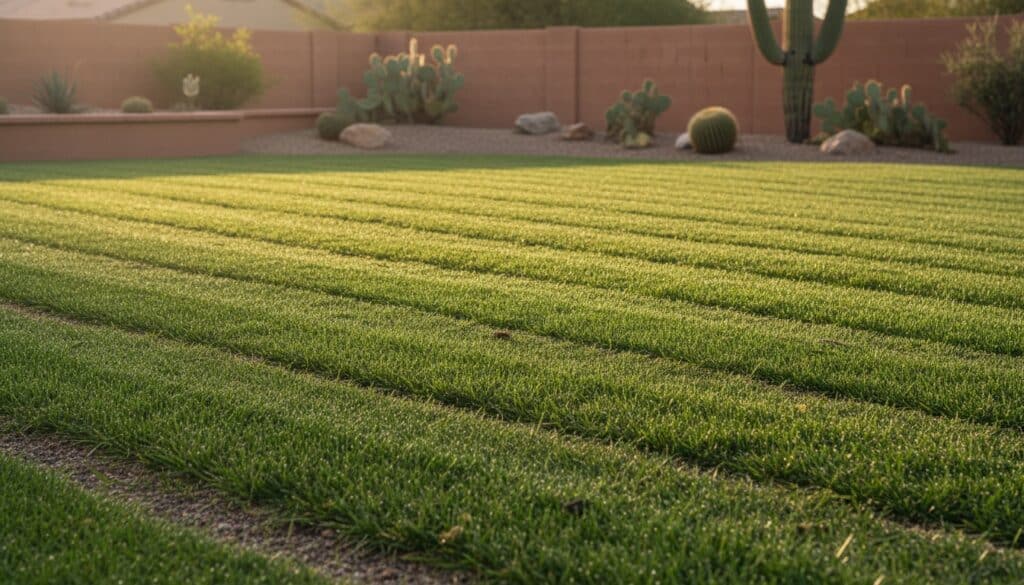
Arizona & Southwest Desert Lawn Care Guide
Arizona Lawn Care Guide: Month-by-Month Maintenance for Desert Lawns Standard lawn care advice will kill your Arizona grass. When it’s 115°F in Phoenix and you’re following tips written for Ohio, your Bermuda turns into a brown crispy mat by July. Arizona lawns need 1 to 1.5 inches of water per week during summer (applied in ... <a title="Regional Guides" class="read-more" href="https://lawnpilot.ai/regional-guides/" aria-label="Read more about Regional Guides">Read more</a>

Related topics
Bermuda, Zoysia, Kentucky Bluegrass and more
Mowing, watering, fertilizing advice
Month-by-month lawn care calendars
Diagnose issues and fix them fast
Mower reviews, tool guides, gear tips
Step-by-step lawn and garden projects
Get lawn care advice for your specific region
Tell us your location, grass type and goals, we’ll build a custom lawn plan for your local climate and soil. Free in under 2 minutes.
Get My Free Lawn PlanFrequently asked questions
Absolutely. The US spans warm-season zones (Florida, Texas, the Deep South), a transition zone (North Carolina, Tennessee, Virginia), cool-season zones (Ohio, Pennsylvania, Minnesota) and arid climates (Arizona, Nevada). Your region determines which grass types thrive, when to fertilize, how much water you need, and which pests and diseases to watch for. A lawn care schedule that works in Florida would fail in Minnesota.
In the Southeast (Florida, Gulf Coast), warm-season grasses like St. Augustine, Bermuda and Zoysia do best. In the Transition Zone (Tennessee, North Carolina), Tall Fescue is the safest choice, though Bermuda works in sunny spots. In the North and Midwest, Kentucky Bluegrass, Perennial Ryegrass and Fine Fescue handle the cold winters. In the Southwest, Bermuda is king for heat tolerance. In the Pacific Northwest, Perennial Ryegrass and Fine Fescue thrive in the mild, wet climate.
Water restrictions vary by state and municipality, and change seasonally. In general: water deeply on your allowed days (about 1 inch per session) rather than a light sprinkle daily. Choose drought-tolerant grasses like Bermuda or Zoysia if you’re in a restriction-prone area like the Southwest or parts of California and Texas. Raise your mowing height, taller grass retains moisture better. Many water districts offer rebates for installing smart irrigation controllers or converting to drought-resistant landscaping.
For warm climates (Florida, Texas, Deep South): fertilize from April through September, every 6–8 weeks. For the Transition Zone (Tennessee, North Carolina): main feeds in April–May and September–October. For cool climates (Ohio, Minnesota, Northeast): fertilize in September–October when temps are between 55–75°F, and again in early May. The fall feed is the most important one for cool-season lawns. Never fertilize during extreme heat or when the lawn is dormant.