Growing a lawn from seed requires proper timing, soil preparation, and consistent watering for 2-3 weeks until germination. Cool-season grasses should be planted in early fall (August-September) or early spring, while warm-season grasses perform best when planted in late spring to early summer when soil temperatures reach 65-70°F.
Related: new seed lives or dies by moisture. See the best time to water your lawn.
Key Takeaways
- Plant cool-season grass seed in fall (6-8 weeks before first frost) or spring when soil temperature is 50-60°F
- Apply 2-4 pounds of seed per 1,000 square feet for new lawns, depending on grass type
- Water lightly 2-3 times daily for the first 2-3 weeks, keeping soil moist but not soggy
- Germination takes 7-21 days depending on grass variety and conditions
- Wait 6-8 weeks before first mowing when grass reaches 3-4 inches tall
When Should You Plant Grass Seed?
Timing beats everything else when it comes to growing grass from seed. Cool-season grasses like fescue, ryegrass, and bluegrass germinate best when soil temperatures sit between 50-65°F. Plant these varieties in early fall, ideally 6-8 weeks before your area’s first expected frost date. This gives seedlings time to develop strong roots before winter hits.
Spring planting works as a backup option, but you’ll face more competition from weeds and summer heat stress. For warm-season varieties like Bermuda, Zoysia, and St. Augustine, plant when soil temperatures consistently stay above 65°F, typically late April through June in most regions.
| Grass Type | Best Planting Time | Soil Temperature | Germination Time |
|---|---|---|---|
| Tall Fescue | August-September | 60-65°F | 10-14 days |
| Kentucky Bluegrass | August-September | 50-60°F | 14-21 days |
| Perennial Ryegrass | August-October | 50-65°F | 7-10 days |
| Bermuda Grass | May-July | 65-75°F | 7-14 days |
| Zoysia | April-July | 65-70°F | 14-21 days |

How Do You Prepare Soil for Grass Seed?
Start with a soil test to check pH and nutrient levels. Most grasses prefer a pH between 6.0-7.0. If your soil is too acidic (below 6.0), add lime according to test recommendations. For alkaline soil (above 7.5), work in sulfur or organic matter.
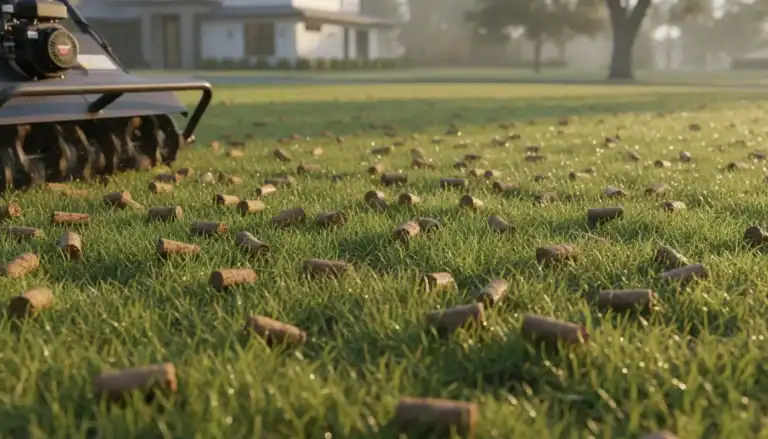
Remove all weeds, rocks, and debris from the planting area. Till or dig the soil to a depth of 6-8 inches, breaking up compacted areas. Work in 2-3 inches of compost or aged manure to improve soil structure and water retention. The University of Minnesota Extension recommends that organic matter should make up 3-5% of your total soil volume for optimal grass growth.
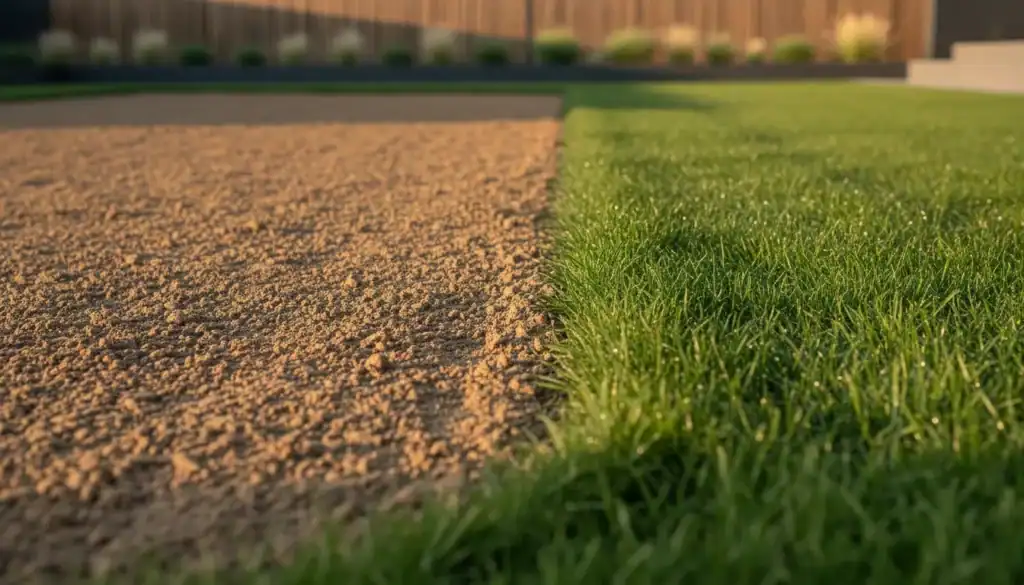
Level the area using a rake, creating a smooth surface with a slight grade away from buildings for drainage. Firm the soil by walking over it or using a lawn roller, the surface should be firm enough that your footprint only makes a ¼ inch depression.
What’s the Correct Seeding Rate?
Seeding rates vary significantly by grass type, but more isn’t always better. Overseed and you’ll create competition that weakens individual plants. Underseed and you’ll have thin coverage that invites weeds.
For new lawns, apply these rates per 1,000 square feet:
- Tall Fescue: 6-8 pounds
- Kentucky Bluegrass: 2-3 pounds
- Perennial Ryegrass: 4-6 pounds
- Fine Fescue: 3-4 pounds
- Bermuda Grass: 1-2 pounds
- Zoysia: 1-2 pounds
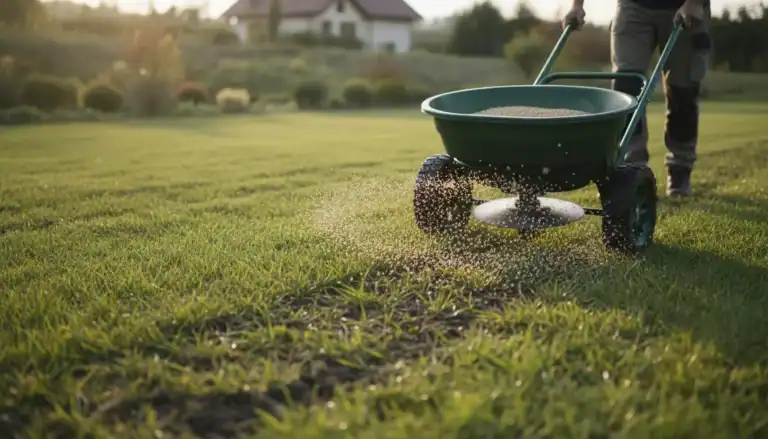
Use a broadcast spreader for even distribution. Make two passes in perpendicular directions, applying half the seed in each direction. This prevents striping and ensures uniform coverage.

Should You Cover Grass Seed After Planting?
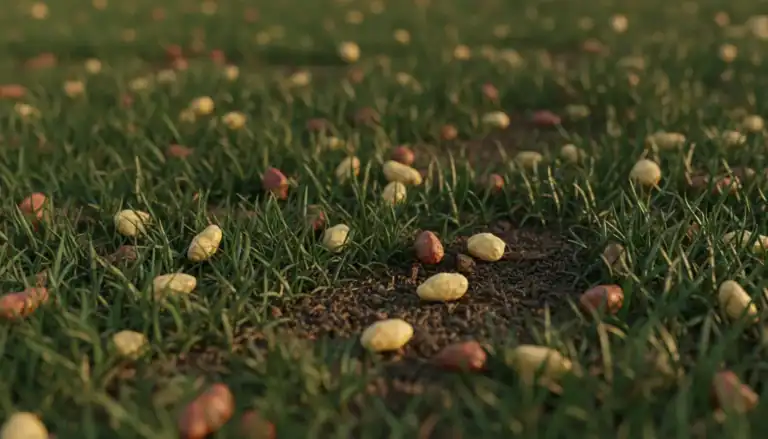
Light covering improves germination rates by retaining moisture and protecting seeds from birds and wind. Rake lightly after seeding to work seeds into the top ¼ inch of soil, deeper burial prevents germination for smaller seeds.
Skip the straw mulch that many sources recommend. In our testing, a thin layer of quality compost works better than straw, which often contains weed seeds and can mat down, blocking light from reaching seedlings. Apply compost at a rate of 1-2 cubic yards per 1,000 square feet, just enough to lightly cover the soil surface.
Get a Free Personalised Lawn Plan
Answer 3 quick questions about your lawn and we'll build a custom care plan — tailored to your grass type, climate, and biggest challenges.
Build My Lawn Plan →How Often Should You Water New Grass Seed?
Consistent moisture is absolutely critical for the first 2-3 weeks. Water lightly 2-3 times daily, applying just enough to keep the top inch of soil moist. Each watering session should last 5-10 minutes, you want to wet the soil without creating puddles or runoff.
Set multiple alarms on your phone if necessary. Missing even one day of watering during germination can kill emerging seedlings. Early morning waterings (6-10 AM) work best, reducing evaporation and disease pressure.
Once grass reaches 2 inches tall, gradually reduce watering frequency while increasing duration. Transition to watering every other day for 15-20 minutes, then eventually to 2-3 times per week for 30-45 minutes once the lawn is established.

When Can You First Mow New Grass?
Wait until grass reaches 3-4 inches in height before the first mowing, typically 6-8 weeks after planting. This height means the root system has developed enough to handle the stress of cutting.
Set your mower to its highest setting for the first cut, removing no more than one-third of the blade length. Sharp blades are essential, dull mowers tear young grass and create entry points for disease. After the first mowing, you can gradually lower the cutting height to your desired maintenance level over several weeks.
What About Fertilizing New Grass Seed?
Apply a starter fertilizer at planting time, look for products with higher phosphorus content (the middle number on fertilizer labels) to promote root development. A ratio like 18-24-12 works well for most grass types.
Honestly, most people go overboard with nitrogen during the first month. Avoid high-nitrogen fertilizers during the first 4-6 weeks, as they can burn tender seedlings. Once grass is established and has been mowed 2-3 times, begin your regular fertilization program based on your grass type and local growing conditions.

Frequently Asked Questions
How long does it take to grow a lawn from seed?
Most grass seeds germinate within 7-21 days, but achieving a mature, mowable lawn takes 8-12 weeks. Cool-season grasses like ryegrass show results faster, while warm-season varieties like Zoysia can take up to 21 days just to germinate. Full establishment with thick, durable turf requires one full growing season.
Can you put too much grass seed down?
Absolutely, and we see this mistake all the time. Overseeding creates more problems than benefits. Excessive seed leads to overcrowding, weak root systems, and increased disease pressure. Grass plants compete for nutrients, water, and sunlight, resulting in thin, spindly growth that’s vulnerable to stress. Follow recommended seeding rates for your specific grass type.
What happens if it rains after planting grass seed?
Light rain helps seed germination by providing consistent moisture. However, heavy rainfall can wash seeds away or create puddles that drown emerging seedlings. From our experience, if heavy rain is forecasted within 24 hours of seeding, delay planting. After planting, protect seeded areas from erosion by ensuring proper drainage and avoiding foot traffic.
Should I use pre-emergent herbicide with new grass seed?
Never apply pre-emergent herbicides when seeding, they prevent all seeds from germinating, including your grass seed. Wait until new grass has been mowed 3-4 times before applying any weed control products. Focus on proper cultural practices like adequate watering and fertilization to help grass outcompete weeds naturally during establishment.
Why is my grass seed not germinating?
Common causes include incorrect planting depth, inconsistent watering, wrong soil temperature, or old seed with poor viability. Seeds planted too deep (more than ¼ inch for small seeds) won’t reach the surface, while surface seeds dry out quickly. Check soil temperature and moisture levels, and make sure you’re planting at the right time for your grass type.