Key Takeaways
- Total installed cost: $7–$20 per square foot ($5,000–$15,000 for 500–1,000 sq ft)
- Materials cost $2–$8/sq ft; professional labor adds $4–$12/sq ft
- DIY installation saves 40–60% but requires proper base preparation to avoid drainage problems
- Artificial turf lasts 15–25 years and saves $1,000–$3,000 per year in water, mowing, and fertilizer
- Hidden costs include drainage work ($500–$2,000), edging ($3–$8/linear ft), and infill ($0.50–$1.50/sq ft)
How much does artificial grass cost per square foot?
Artificial grass costs $7 to $20 per square foot for a complete professional installation, including materials, base preparation, and labor. The wide range reflects differences in turf quality, project complexity, and your local labor market. Here’s how those costs break down:| Cost Component | Cost Per Sq Ft | % of Total | Notes |
|---|---|---|---|
| Artificial turf (material) | $2.00–$8.00 | 30–45% | Higher pile height and density = higher cost |
| Base materials (crushed rock, decomposed granite) | $0.50–$1.50 | 8–12% | 3–4 inch compacted base is standard |
| Infill (silica sand, crumb rubber, or zeolite) | $0.50–$1.50 | 5–10% | Zeolite infill costs more but controls pet odor |
| Weed barrier fabric | $0.15–$0.30 | 2–3% | Commercial-grade landscape fabric recommended |
| Edging and borders | $0.50–$1.00 | 5–8% | Bender board, concrete, or metal edging |
| Professional labor | $4.00–$12.00 | 35–50% | Includes excavation, grading, base prep, and turf installation |
What does artificial grass cost by project size?
Larger projects cost less per square foot because fixed costs (equipment, delivery, edging) are spread over more area. Here’s what to expect based on common project sizes:| Project Size | Total Cost (Installed) | Effective Cost/Sq Ft | Typical Project |
|---|---|---|---|
| 100–200 sq ft | $1,500–$3,500 | $15–$20 | Pet area, small patio strip |
| 300–500 sq ft | $3,000–$7,500 | $10–$15 | Side yard, play area, balcony |
| 500–1,000 sq ft | $5,000–$15,000 | $8–$15 | Average front or backyard |
| 1,000–2,000 sq ft | $8,000–$25,000 | $7–$13 | Full backyard conversion |
| 2,000+ sq ft | $14,000–$35,000+ | $7–$12 | Large yard, commercial space |
How much does artificial turf cost by type?
The turf material itself is the most variable cost factor. Budget turf ($2–$3/sq ft) works for low-traffic decorative areas, while premium turf ($5–$8/sq ft) is designed for heavy foot traffic, pets, or a realistic lawn appearance. Here’s how the main categories compare:| Turf Type | Material Cost/Sq Ft | Pile Height | Best For | Lifespan |
|---|---|---|---|---|
| Budget/economy | $2.00–$3.00 | 25–35mm | Decorative areas, low-traffic zones | 8–12 years |
| Mid-range landscape | $3.00–$5.00 | 30–40mm | Front yards, general landscaping | 15–20 years |
| Premium realistic | $5.00–$8.00 | 35–50mm | Backyards, high-visibility areas | 20–25 years |
| Pet-specific turf | $3.50–$6.00 | 25–35mm | Dog runs, pet areas (antimicrobial backing) | 12–18 years |
| Putting green turf | $4.00–$7.00 | 10–15mm | Backyard putting greens | 15–20 years |
| Playground turf | $4.00–$6.50 | 40–50mm | Play areas (ASTM fall-height rated) | 12–15 years |
How much can you save with DIY installation?
DIY artificial grass installation saves 40–60% compared to hiring a professional, reducing the total cost from $7–$20/sq ft down to $3–$8/sq ft (materials only). For a 500 sq ft project, that’s a savings of $2,000–$6,000. However, DIY is only practical if you have the right tools and are comfortable with excavation and compaction work.DIY vs. professional cost comparison
| Factor | DIY Installation | Professional Installation |
|---|---|---|
| Cost per sq ft | $3–$8 (materials only) | $7–$20 (materials + labor) |
| 500 sq ft total | $1,500–$4,000 | $3,500–$10,000 |
| Time required | 2–4 days (weekends) | 1–2 days |
| Tool rental needed | $200–$500 (plate compactor, sod cutter) | Included |
| Warranty | Material warranty only (8–15 years) | Material + labor warranty (5–10 years) |
| Risk | Drainage issues if base is poor | Installer handles grading and drainage |
Get a Free Personalised Lawn Plan
Answer 3 quick questions about your lawn and we'll build a custom care plan — tailored to your grass type, climate, and biggest challenges.
Build My Lawn Plan →DIY installation steps
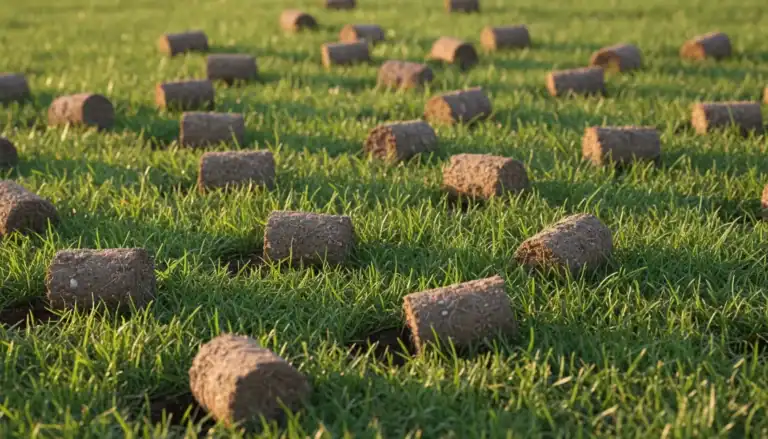
- Remove existing lawn, use a sod cutter or flat shovel to strip grass and roots to a depth of 3–4 inches
- Excavate and grade, dig to 3–4 inches below final grade, slope 1–2% away from structures for drainage
- Install weed barrier, lay commercial-grade landscape fabric over the entire area with 6-inch overlaps
- Add and compact base, spread 3–4 inches of crushed rock or decomposed granite, compact with a plate compactor in 2-inch lifts
- Roll out turf, unroll artificial grass, let it acclimate for 1–2 hours, trim edges with a utility knife
- Secure seams and edges, join seams with seaming tape and adhesive, nail perimeter edges every 4–6 inches with 5-inch landscape spikes
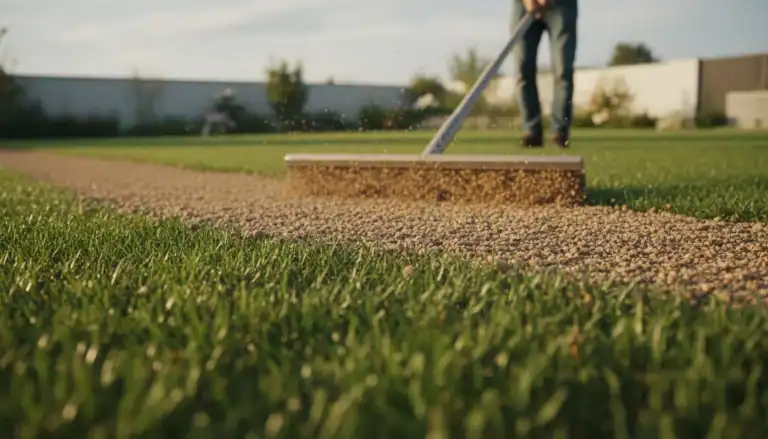
- Apply infill, spread 1–2 lbs of infill per square foot using a drop spreader, brush upright with a power broom
What are the hidden costs of artificial grass?
The quoted price from installers often covers just the turf and basic installation. Several additional costs can add 15–30% to your total budget if you’re not prepared for them:- Old lawn removal and disposal: $1–$3 per square foot if the installer handles it, or $200–$500 in dump fees for DIY. Some installers include this; many don’t.
- Drainage improvements: $500–$2,000 if your yard has poor drainage or clay soil. French drains or re-grading may be needed before the base goes in.
- Sprinkler system capping: $150–$500 to have a plumber cap or remove existing irrigation lines. Leaving active sprinkler heads under turf causes mold and base erosion.
- Tree root removal: $200–$1,000 depending on extent. Surface roots must be removed or they’ll push up through the turf within 1–2 years.
- Edging and borders: $3–$8 per linear foot for concrete curbing or metal edging. Critical for a clean finish and preventing turf edges from lifting.
- Permits: $0–$500 depending on your municipality. Some HOAs and cities require permits for significant landscaping changes. Check before you start.
- Delivery fees: $100–$300 for residential turf delivery, especially if you’re in a rural area or ordering less than a full roll.
Is artificial grass cheaper than real grass long-term?
Artificial grass breaks even with natural grass maintenance costs within 7–10 years, then saves $1,000–$3,000 annually for the remaining 10–15 years of its lifespan. Over a 20-year period, artificial turf costs 30–50% less than maintaining a natural lawn of the same size.| Cost Category | Natural Grass (Annual) | Artificial Grass (Annual) |
|---|---|---|
| Water | $500–$1,500 | $0 |
| Mowing (DIY or service) | $400–$1,800 | $0 |
| Fertilizer and weed control | $150–$400 | $0 |
| Overseeding and aeration | $100–$300 | $0 |
| Maintenance (brushing, rinsing) | $0 | $50–$150 |
| Total annual cost | $1,150–$4,000 | $50–$150 |
How to reduce artificial grass installation costs
You can cut 20–40% off your total installation cost without sacrificing quality by timing your purchase right and making smart material choices:- Get quotes in the off-season, installers are 15–25% cheaper in fall and winter when demand drops. Avoid spring and early summer when everyone wants a new yard.
- Buy turf remnants or closeout rolls, many suppliers sell leftover rolls from commercial jobs at 30–50% off. Perfect for smaller projects under 500 sq ft.
- Do your own demolition, remove existing lawn and haul debris yourself to save $1–$3 per square foot in labor charges.
- Choose mid-range turf, the jump from budget ($2–$3/sq ft) to mid-range ($3–$5/sq ft) dramatically improves realism and lifespan. The jump from mid-range to premium ($5–$8/sq ft) is much smaller.
- Apply for water rebates, check with your local water utility. Rebate programs in California, Nevada, Arizona, Colorado, and Texas often cover $1–$3 per square foot of natural grass replaced.
- Bundle with neighbors, some installers offer 10–15% discounts when they can do multiple jobs in the same neighborhood, reducing travel and setup costs.
- Skip unnecessary extras, decorative rock borders, built-in LED lighting, and custom drainage systems are nice but add $1,000–$3,000. Focus on a solid base and quality turf first.
What factors affect artificial grass installation prices?
Five main factors determine where your project falls within the $7–$20/sq ft range. Understanding these helps you get accurate quotes and avoid overpaying:- Site conditions: Flat, well-drained yards with easy access cost $7–$12/sq ft. Sloped terrain, poor drainage, clay soil, or limited equipment access (narrow side yards, rooftop decks) pushes costs to $15–$20/sq ft.
- Turf quality: Budget turf ($2–$3/sq ft material) is visibly artificial and flattens within a few years. Mid-range and premium turf ($3–$8/sq ft) uses multi-tone blades, thatch layers, and UV-resistant fibers that hold up 15–25 years.
- Project size: Economies of scale kick in above 500 sq ft. Below that, minimum charges make the per-square-foot cost 20–40% higher.
- Location: Labor rates vary significantly by region. Expect $4–$6/sq ft for labor in lower-cost markets and $8–$12/sq ft in high-cost metros like San Francisco, New York, or Los Angeles.
- Complexity: Straight rectangular areas are simplest. Curves, multiple seams, integrated putting greens, built-in drainage systems, and transitions to hardscape all add labor time and material waste.
How to get accurate installation quotes
Getting reliable quotes requires comparing at least 3 installers and asking the right questions. Here’s what to look for and what to ask:- Request itemized quotes, any installer who gives a single lump-sum number without breaking down materials, labor, base prep, and removal is hiding something. You need line items to compare apples to apples.
- Ask about base preparation, specifically ask what base material they use (crushed rock vs. decomposed granite), how deep (should be 3–4 inches), and whether they compact it mechanically (they should).
- Check the turf specs, ask for the turf manufacturer, product name, face weight (ounces per sq yard), and pile height. Face weight above 60 oz/sq yd indicates commercial-grade quality.
- Verify warranty coverage, get the material warranty (from the turf manufacturer, typically 8–15 years) AND the labor warranty (from the installer, typically 2–5 years) in writing.
- Ask about drainage, good turf drains at 30+ inches per hour through perforated backing. Ask whether they install a drainage layer if your soil is clay or compacted.
Frequently Asked Questions
Installing artificial grass on 1,000 square feet costs $7,000 to $15,000 with professional installation, or $3,000 to $8,000 for DIY (materials only). The exact price depends on your turf quality, site conditions, and local labor rates. Most installers offer better per-square-foot pricing at this size compared to smaller projects.
Artificial grass can increase home value by 2–5% in drought-prone markets like the Southwest U.S. where water-efficient landscaping is highly valued. In areas with abundant rainfall, the impact is neutral to slightly positive. According to the National Association of Realtors, well-maintained landscaping in general adds 5–12% to home value, and artificial turf qualifies when it’s professionally installed and looks realistic.
Quality artificial grass lasts 15–25 years depending on the turf grade, amount of foot traffic, and sun exposure. Budget turf ($2–$3/sq ft) typically lasts 8–12 years before significant fading and flattening. Mid-range and premium turf ($3–$8/sq ft) with UV-stabilized fibers routinely lasts 20+ years with basic maintenance like occasional brushing and rinsing.
Artificial grass is excellent for dogs, it eliminates mud, withstands heavy use without bare spots, and drains quickly. Choose pet-specific turf with antimicrobial backing ($3.50–$6.00/sq ft) and use zeolite infill ($1–$1.50/sq ft) instead of silica sand to neutralize urine odor. Rinse the turf weekly with water and use an enzyme cleaner monthly to keep it fresh.
Yes, DIY artificial grass installation is doable for handy homeowners and saves 40–60% on labor costs. You’ll need a plate compactor ($50–$100/day rental), sod cutter or flat shovel, utility knife, landscape spikes, and a drop spreader for infill. The key is proper base preparation, excavate 3–4 inches deep, add crushed rock, and compact it thoroughly. Budget 2–4 days of work for a 500 sq ft area.