Brown patches on your lawn are typically caused by fungal diseases, drought stress, pet urine, or grub damage. Honestly, the most common culprit is brown patch disease, a fungal infection that absolutely loves hot, humid conditions when nighttime temperatures stay above 68°F. You can identify the cause by examining the patch shape, grass condition, and surrounding soil to figure out the right treatment approach.
Key Takeaways
- Brown patch disease occurs when nighttime temperatures stay above 68°F with daytime highs averaging 80°F or higher
- Circular brown patches 6 inches to several feet wide indicate fungal disease, while irregular shapes suggest other causes
- Apply preventive fungicide when conditions favor disease development (May-June in most regions)
- Reduce watering frequency to 2-3 times per week and water only in early morning (6-10 AM)
- Overseed damaged areas in fall when temperatures drop below 70°F consistently
What causes brown patches to appear on lawns?
Brown patches develop from several distinct causes, each with different symptoms. Fungal diseases create the most common brown patches, particularly brown patch disease caused by Rhizoctonia solani. According to Pennsylvania State University Extension, this fungus becomes active when nighttime temperatures remain above 68°F combined with high humidity and poor air circulation.
Other major causes include drought stress, which creates irregularly shaped brown areas that feel dry and crispy. Pet urine burns form small, dark brown circles with bright green rings around the edges due to nitrogen concentration. Grub damage appears as loose, spongy patches that you can pull up like carpet because the roots have been severed.
Chemical burns from over-fertilization or spilled gasoline create distinct patterns matching the application area or spill shape.

How do you identify brown patch disease specifically?
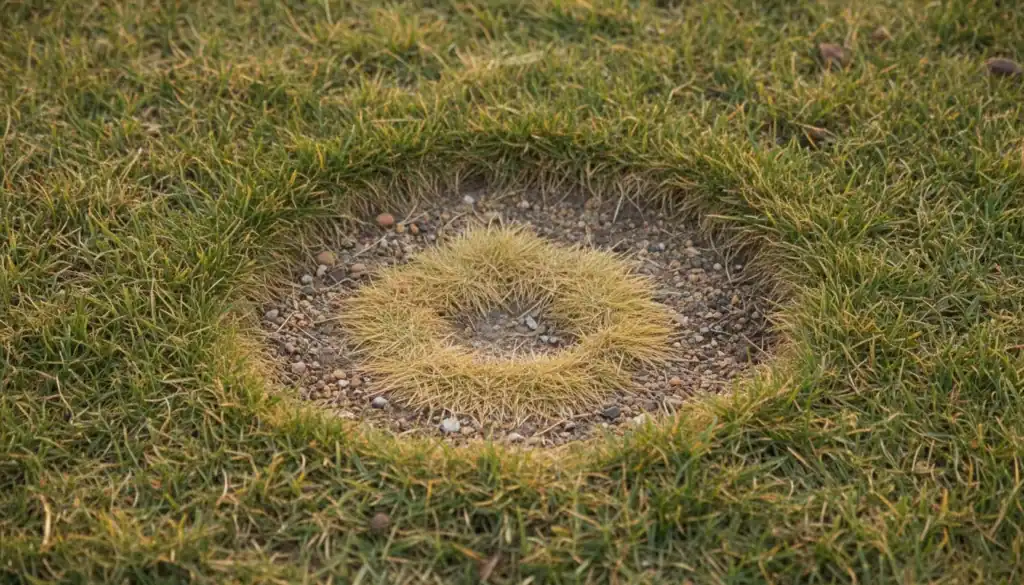
Brown patch disease creates circular to oval patches ranging from 6 inches to several feet in diameter. The patches start small and expand outward during favorable conditions. In our experience, the telltale sign is the “smoke ring” effect, a dark ring of actively dying grass around the patch perimeter, visible in early morning when dew is present.
Look for these specific symptoms according to University of Georgia Extension research:
- Grass blades pull apart easily at the base when tugged
- Dark, water-soaked lesions on individual grass blades
- Patches that appear overnight during humid conditions
- Healthy grass may remain in the center of large patches, creating a “frog-eye” pattern
The disease primarily affects tall fescue, perennial ryegrass, and fine fescue. Bermuda grass and zoysia are generally resistant.
What environmental conditions trigger brown patch disease?
Brown patch thrives in specific weather patterns that create perfect fungal conditions. The disease needs nighttime temperatures above 68°F, daytime temperatures averaging 80°F or higher, and relative humidity exceeding 85% for several consecutive days.
Extended periods of leaf wetness accelerate disease development. This happens from:
- Evening watering that keeps grass wet overnight
- Heavy morning dew that doesn’t dry until late morning
- Poor air circulation in sheltered lawn areas
- Dense grass canopy that traps moisture
According to Purdue University research, the disease spreads most rapidly during “brown patch weather”, hot, humid nights followed by warm, cloudy days with little wind movement.

How do you treat existing brown patch disease?
Treat active brown patch with targeted fungicide applications and immediate cultural changes. Apply curative fungicides containing propiconazole, myclobutanil, or azoxystrobin according to label rates when you first notice symptoms.
Make these immediate adjustments:
- Stop watering for 3-5 days to reduce leaf moisture
- Remove morning dew by dragging a hose or rope across affected areas
- Increase air circulation by pruning nearby shrubs or installing fans
- Apply fungicide in late afternoon when temperatures begin dropping
For severe infections, make a second fungicide application 14-21 days after the first treatment. We’ve found that combining curative treatment with cultural practices stops disease progression within 7-10 days.
What’s the best watering schedule to prevent brown patch?
Proper watering timing prevents most brown patch outbreaks by reducing the leaf wetness periods that fungi need. Water deeply but infrequently, typically 2-3 times per week rather than daily light watering.
Follow this proven watering schedule:
| Time of Day | Recommendation | Reason |
|---|---|---|
| 6:00-10:00 AM | Optimal watering window | Grass dries quickly, reduces disease risk |
| 10:00 AM-4:00 PM | Avoid if possible | High evaporation, water waste |
| 4:00 PM-8:00 PM | Acceptable if necessary | Some drying time before nightfall |
| 8:00 PM-6:00 AM | Never water | Creates prolonged leaf wetness |
Apply 1-1.5 inches of water per week total, measured with rain gauges or tuna cans placed around your sprinkler coverage area.

How do you repair brown patches after treatment?
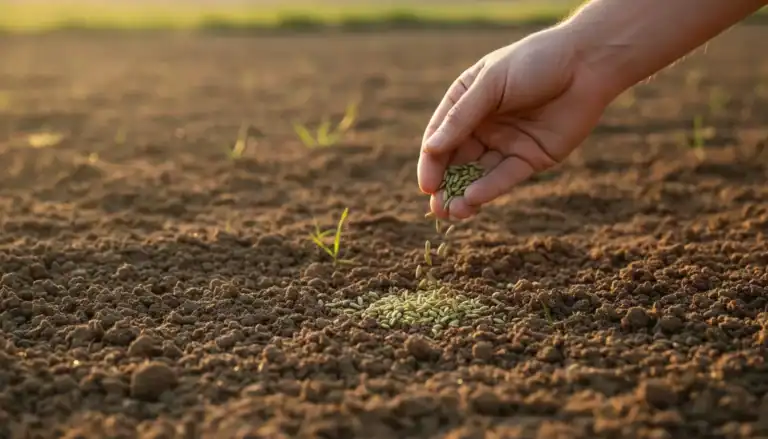
Wait until environmental conditions improve before reseeding brown patch areas. The fungus remains active in warm, humid weather, so attempting repairs too early often results in continued damage to new grass.
Begin repairs when nighttime temperatures consistently drop below 70°F:
Get a Free Personalised Lawn Plan
Answer 3 quick questions about your lawn and we'll build a custom care plan — tailored to your grass type, climate, and biggest challenges.
Build My Lawn Plan →- Remove dead grass and thatch to soil level using a rake
- Loosen compacted soil with a garden fork to 2-3 inch depth
- Apply starter fertilizer at half the recommended rate
- Overseed with disease-resistant grass varieties
- Cover seed with 1/4 inch of quality topsoil
- Water lightly twice daily until germination occurs
Choose brown patch-resistant cultivars like tall fescue varieties ‘Rebel Exeda’ or ‘Falcon IV’ for cool-season areas, or Bermuda grass for warm-season regions.
Which grass types are most susceptible to brown patch?
Cool-season grasses suffer the most brown patch damage because they’re already stressed by summer heat when the fungus becomes active. Tall fescue, perennial ryegrass, and fine fescue are highly susceptible, while Kentucky bluegrass shows moderate susceptibility.
Here’s the susceptibility breakdown by grass type:
| Grass Type | Susceptibility Level | Peak Damage Period |
|---|---|---|
| Tall Fescue | Very High | July-August |
| Perennial Ryegrass | High | June-September |
| Fine Fescue | High | July-August |
| Kentucky Bluegrass | Moderate | July-August |
| Bermuda Grass | Low | Rare occurrence |
| Zoysia Grass | Very Low | Rarely affected |
If you’re in a brown patch-prone area, consider transitioning to warm-season grasses like Bermuda or zoysia, which rarely develop this disease.

What preventive measures stop brown patch before it starts?
Prevention costs far less than treatment and delivers better results than trying to cure active disease. Start preventive measures in late spring before disease-favorable conditions develop.
Apply preventive fungicides in May or June when nighttime temperatures begin staying above 60°F consistently. Use products containing propiconazole or azoxystrobin on a 28-day rotation through the summer months.
Key preventive practices include:
- Reduce nitrogen fertilization during summer months, apply no more than 0.5 pounds of nitrogen per 1,000 square feet from June through August
- Improve soil drainage in problem areas by core aerating twice annually
- Maintain proper mowing height, never remove more than 1/3 of grass blade length
- Ensure adequate spacing between sprinkler heads to avoid creating overly wet zones
From our testing, lawns with good drainage, proper nutrition, and correct watering practices rarely develop severe brown patch problems even during favorable weather conditions.
Frequently Asked Questions
Will brown patch go away on its own?
Brown patch disease will stop spreading when environmental conditions change, typically when nighttime temperatures drop below 68°F or humidity decreases significantly. However, the dead grass areas won’t recover without reseeding or resodding. The fungus remains dormant in the soil and will return next year under favorable conditions.
How long does it take for brown patch to spread?
Brown patch can expand rapidly during peak conditions, growing 6-12 inches in diameter per week. During optimal weather (hot, humid nights with morning dew), patches may double in size within 3-5 days. Cool, dry weather slows or stops disease progression immediately.
Can you use household products to treat brown patch?
Home remedies like baking soda, dish soap, or hydrogen peroxide are largely ineffective against brown patch fungus. These may temporarily alter soil pH or provide minor antifungal activity, but they won’t cure active infections. Proven fungicides containing labeled active ingredients provide reliable control when applied correctly.
Is brown patch contagious to other parts of the lawn?
Yes, brown patch spreads through fungal spores that travel via wind, water, foot traffic, and mowing equipment. The disease moves outward from initial infection sites and can jump to new areas through contaminated mower blades or shoes. Clean equipment between mowing sessions and avoid walking through infected areas when grass is wet.
When is the best time to apply fungicide for brown patch?
Apply preventive fungicides in late May or early June before disease symptoms appear, when nighttime temperatures consistently reach 60-65°F. For curative treatments, apply fungicides at the first sign of symptoms, preferably in late afternoon or early evening when temperatures are cooling. Avoid applications during peak heat or when rain is expected within 24 hours.