Crabgrass control comes down to two strategies: stop the seeds before they sprout with pre-emergent herbicides in early spring, or kill the existing plants with post-emergent treatments during summer. Here’s the thing, pre-emergent control is 95% effective when you nail the timing (soil temps of 50-55°F), while going after established crabgrass is much trickier and only works well on young plants under 3 inches tall.
Key Takeaways
- Apply pre-emergent herbicide when soil temperature reaches 50-55°F (typically March-April)
- Post-emergent herbicides are most effective on crabgrass plants smaller than 3 inches
- Dense, healthy turf prevents 80% of crabgrass establishment naturally
- One mature crabgrass plant produces up to 150,000 seeds per season
- Proper fertilization timing increases control effectiveness by 40-60%
What Is Crabgrass and Why Does It Invade Lawns?
Crabgrass is a warm-season annual that absolutely loves thin, stressed lawns and bare patches. This aggressive weed wakes up when soil temperatures hit 55-60°F and dies with the first frost, but not before dumping thousands of seeds for next year’s invasion.
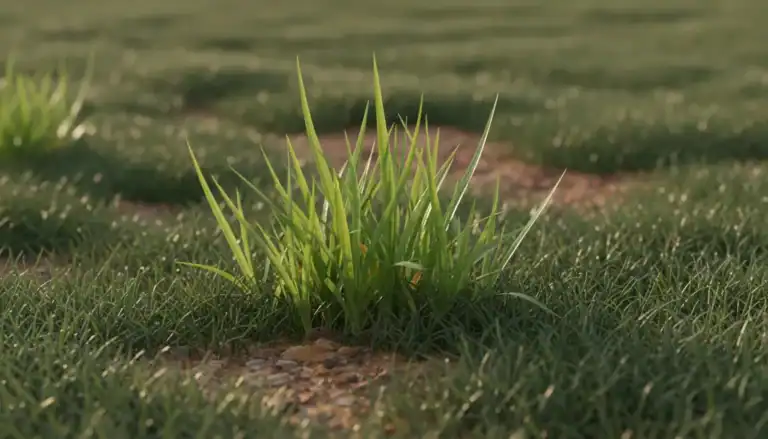
You’re dealing with two main troublemakers: large crabgrass (Digitaria sanguinalis) and smooth crabgrass (Digitaria ischaemum). Large crabgrass grows in ugly clumps up to 2 feet wide with thick, hairy stems, while smooth crabgrass stays lower with finer leaves. Both spread rapidly through stems that root wherever they touch ground, creating dense mats that choke out your good grass.
According to the University of California Integrated Pest Management program, crabgrass thrives in lawns with poor drainage, compacted soil, or weak fertility. The weed’s shallow roots let it steal water and nutrients more efficiently than your deep-rooted cool-season grass during hot, dry spells.

When Should You Apply Pre-Emergent Crabgrass Control?
Timing is everything with pre-emergent herbicides. Apply when soil temperature at 2-inch depth hits 50-55°F for three straight days. This usually happens 2-3 weeks before forsythia blooms or when dogwood trees start leafing out.
Regional timing varies big time across the United States:
| Region | Application Window | Soil Temperature Target |
|---|---|---|
| Northeast | Mid to late April | 50-55°F |
| Southeast | Early to mid March | 55-60°F |
| Midwest | Late March to early April | 50-55°F |
| Southwest | Late February to early March | 55-60°F |
| Northwest | Mid April to early May | 50-55°F |
From our testing, soil thermometers beat air temperature or calendar dates every time. Stick that thermometer 2 inches deep in an open area and check it daily for three consecutive days at target temps.
Which Pre-Emergent Herbicides Work Best for Crabgrass?
Prodiamine and pendimethalin are your heavy hitters for homeowner crabgrass control, delivering 90-95% prevention when you do it right. These create a chemical barrier in the soil that stops crabgrass seeds from developing roots.
Here’s how the active ingredients stack up:
| Active Ingredient | Effectiveness | Duration | Common Products |
|---|---|---|---|
| Prodiamine | 95% | 4-6 months | Barricade, Lebanon Pro |
| Pendimethalin | 90% | 3-4 months | Scotts Halts, Pendulum |
| Dithiopyr | 85% | 4-5 months | Dimension, Lebanon Dimension |
| Benefin + Trifluralin | 80% | 3-4 months | Team Pro, XL 2G |
Prodiamine is our top pick, longest control period and works great in both cool and warm-season grasses. North Carolina State University research shows prodiamine applications at 0.65 pounds active ingredient per acre delivered season-long crabgrass control in 94% of test plots.
Split applications work even better. Hit it with 60% of the total rate in early spring, then the remaining 40% six weeks later. This keeps you covered through late summer when some pre-emergents start breaking down.

How Do You Kill Existing Crabgrass Plants?
Post-emergent crabgrass control means selective herbicides that kill crabgrass without nuking your good grass. Fenoxaprop-ethyl and quinclorac are your best weapons for established crabgrass.
Size matters huge here. Young crabgrass plants (under 3 inches tall) fold to herbicides 85-90% of the time, while mature plants over 6 inches laugh off treatments with only 40-50% control rates. The University of Georgia Extension says treat when crabgrass hits the 2-3 leaf stage for best results.
Here’s your post-emergent game plan:
- Apply when crabgrass plants are actively growing and less than 3 inches tall
- Use a selective post-emergent herbicide containing fenoxaprop-ethyl or quinclorac
- Spray during morning hours when temperatures are 60-85°F
- Skip application within 48 hours of mowing to keep adequate leaf surface
- Water lightly 24-48 hours after treatment to move herbicide into the root zone
- Reapply in 14-21 days if crabgrass shows signs of recovery
We’ve found that adding a non-ionic surfactant at 0.25% volume boosts herbicide uptake and control rates by 15-20%. Most pro-grade herbicides include surfactant, but homeowner products often need it added separately.
What Cultural Practices Prevent Crabgrass Naturally?
Dense, healthy turf is your best long-term crabgrass defense. Rutgers University research shows maintaining 95% turf density prevents 80% of annual weed establishment, including crabgrass.
Here are the practices that actually matter:
Proper fertilization: Feed cool-season grasses 2-4 pounds of nitrogen per 1,000 square feet annually, with half applied in fall. Well-fed grass grows thick enough to shade soil and block crabgrass seed germination.
Correct mowing height: Keep cool-season grasses at 3-4 inches during summer. Taller grass shades the soil surface, dropping soil temperature by 8-10°F and creating lousy conditions for crabgrass germination.
Smart watering: Deep, infrequent irrigation pushes desirable grasses to develop deep roots while discouraging shallow-rooted crabgrass. Apply 1-1.5 inches of water per week in 2-3 applications.
Get a Free Personalised Lawn Plan
Answer 3 quick questions about your lawn and we'll build a custom care plan — tailored to your grass type, climate, and biggest challenges.
Build My Lawn Plan →Core aeration: Annual aeration breaks up soil compaction and improves water infiltration. Compacted soil creates perfect conditions for crabgrass while stressing your good turfgrass.

How Should You Overseed After Crabgrass Control?
Most pre-emergent herbicides block grass seed germination for 8-16 weeks after application, so timing your pre-emergent and seeding schedule is crucial.
Safe overseeding windows after pre-emergent application:
| Pre-emergent Active Ingredient | Wait Period | Safe Seeding Window |
|---|---|---|
| Prodiamine | 12-16 weeks | Mid-August to September |
| Pendimethalin | 8-12 weeks | Early to mid-August |
| Dithiopyr | 10-12 weeks | Mid-August |
| Siduron | 0 weeks | Anytime (safe for new seeding) |
Siduron is the only pre-emergent that lets you seed immediately while still stopping crabgrass. But its effectiveness drops to 70-80% compared to other pre-emergents, making it better for new lawn establishment than maintenance.
For established lawns, fall overseeding (late August through September) works best because it avoids pre-emergent timing conflicts while taking advantage of cooler temperatures and increased rainfall.
What Mistakes Should You Avoid in Crabgrass Control?
Late pre-emergent application kills more crabgrass programs than anything else. Once soil temperatures stay above 65°F, crabgrass seeds start popping like crazy and pre-emergent effectiveness tanks to 30-40%. Ohio State University Extension says applications made after crabgrass emergence are basically worthless.
Other critical mistakes include:
Skipping irrigation after application: Pre-emergent herbicides need 0.25-0.5 inches of water within 7-10 days to activate the chemical barrier. Without water, the herbicide sits on the surface doing nothing.
Treating drought-stressed turf: Stressed grass can’t compete with weeds, even with herbicide help. Make sure you have adequate soil moisture before treating.
Going after mature crabgrass with post-emergent: Large crabgrass plants develop thick, waxy coatings that block herbicide penetration. Treatment success drops below 30% on plants over 6 inches tall.
Single application syndrome: One pre-emergent application often breaks down by mid-summer, letting late-season crabgrass sneak in. Split applications or June follow-ups maintain season-long control.
In our experience, homeowners who follow university extension timing and maintain proper lawn care practices get 90% or better crabgrass control within two seasons.

Frequently Asked Questions
Can you apply crabgrass preventer too early?
Yes, applying pre-emergent herbicide more than 4-6 weeks before soil temperatures reach 55°F reduces effectiveness because the chemical barrier breaks down before crabgrass begins germinating. Most pre-emergents remain active for 12-16 weeks, so timing the application 2-4 weeks before germination provides optimal control.
Will crabgrass killer hurt my existing grass?
Pre-emergent herbicides are safe for established turfgrass and only prevent seed germination. Post-emergent crabgrass killers containing fenoxaprop-ethyl or quinclorac are selective herbicides designed to kill grassy weeds while preserving cool-season turf. However, always follow label directions and avoid application during stress periods.
How long does it take for crabgrass killer to work?
Post-emergent crabgrass herbicides show initial yellowing within 3-7 days, with complete plant death occurring in 14-21 days. Young crabgrass plants (under 3 inches) die faster than mature plants. Pre-emergent herbicides work invisibly by preventing germination, so you won’t see immediate results.
Should you pull crabgrass by hand?
Hand-pulling works for small infestations but becomes impractical for large areas. Pull crabgrass when soil is moist to get the entire root system, and do it before the plants set seed (typically by mid-August). Each plant can produce up to 150,000 seeds, so removing plants before seed production is critical.
Why does crabgrass keep coming back every year?
Crabgrass is an annual plant that dies each fall but drops thousands of seeds that remain viable in soil for 3-5 years. Without pre-emergent control, these seeds germinate each spring when conditions are right. Additionally, thin or stressed turf provides ideal conditions for crabgrass establishment year after year.