Lawn Care Tips
Mowing, watering, fertilizing, aerating and more, practical advice to keep your lawn thick, green and healthy all year round.
3 guides
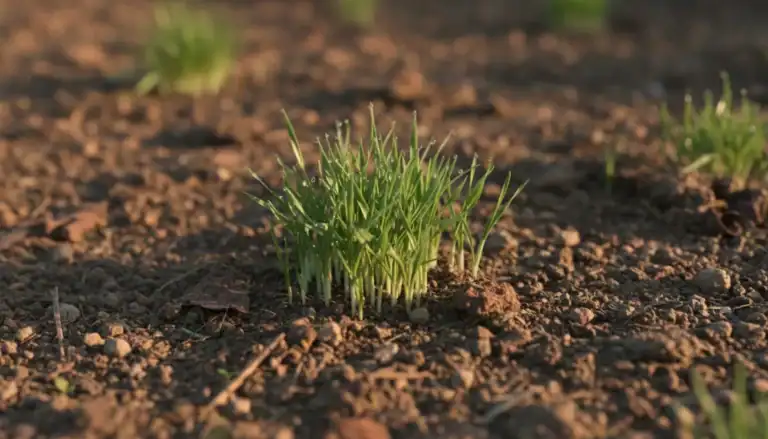
How to Make Your Grass Thicker and Fuller
Making your grass thicker requires a combination of proper mowing height, regular overseeding, strategic fertilization, and addressing soil compaction. The most effective approach is raising your mower to cut at 3-4 inches, overseeding annually in fall, and aerating compacted areas to promote deeper






Related topics
Bermuda, Zoysia, Kentucky Bluegrass and more
Month-by-month lawn care calendars
Diagnose issues and fix them fast
Lawn care by region and climate zone
Mower reviews, tool guides, gear tips
Step-by-step lawn and garden projects
Want a lawn care plan tailored to your yard?
Get a personalized schedule for mowing, watering, fertilizing and more, based on your grass type and climate. Free in under 2 minutes.
Get My Free Lawn PlanFrequently asked questions
During the growing season (spring and summer), most lawns need mowing every 7-10 days. In fall and winter, you can stretch it to every 2-3 weeks as growth slows. The key rule: never remove more than one-third of the blade height in a single mow. Cutting too short (“scalping”) stresses the grass and invites weeds.
For warm-season grasses (Bermuda, St. Augustine, Zoysia): fertilize in late spring (April-May) and again in early fall (September). For cool-season grasses (Kentucky Bluegrass, Fescue): fertilize in early fall (September-October) and again in spring (April). Avoid fertilizing in peak summer heat, it can burn the grass.
No, daily light watering actually makes lawns weaker by keeping roots shallow. Instead, water deeply 2-3 times per week (about 1 inch each session). This trains roots to grow deep, making your lawn more drought-resistant. Water early in the morning (before 9am) to reduce evaporation and fungal risk.
It depends on your grass type. Bermuda: 1-2 inches. St. Augustine: 2.5-4 inches (keep it longer in shade). Kentucky Bluegrass: 2.5-3.5 inches. Zoysia: 1-2 inches. Tall Fescue: 3-4 inches. In general, mow higher in summer to protect roots from heat stress, and slightly lower in spring and fall.